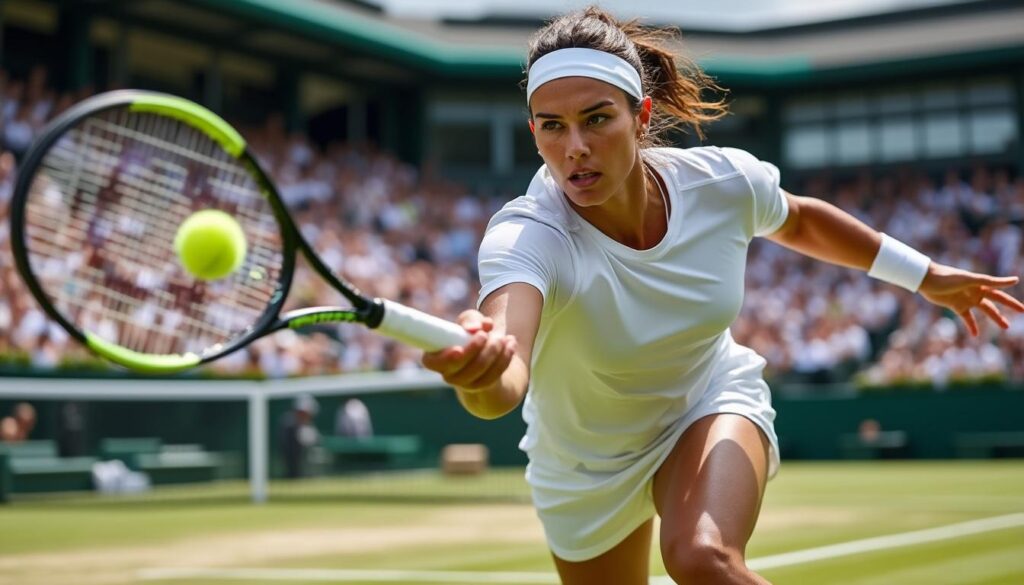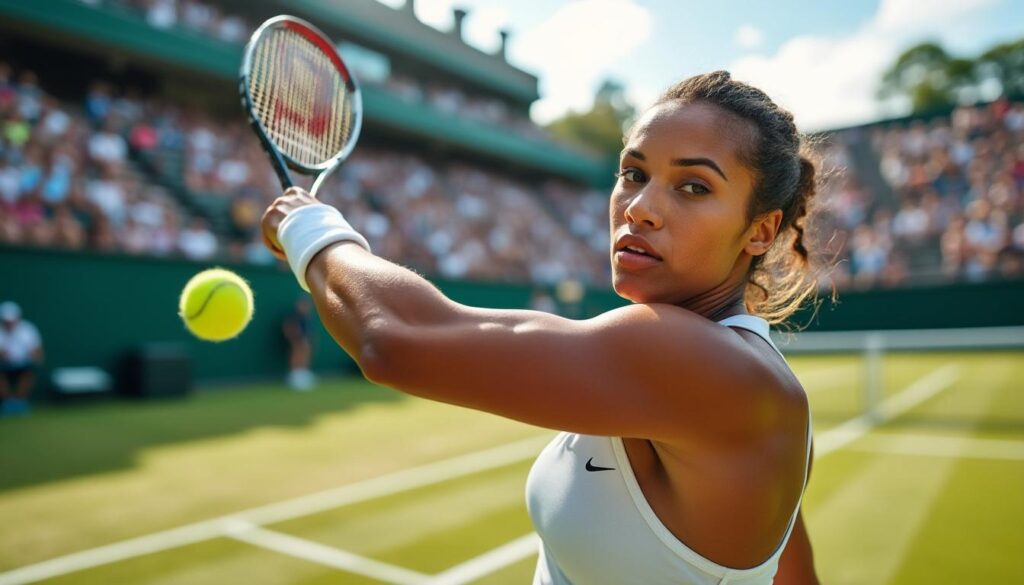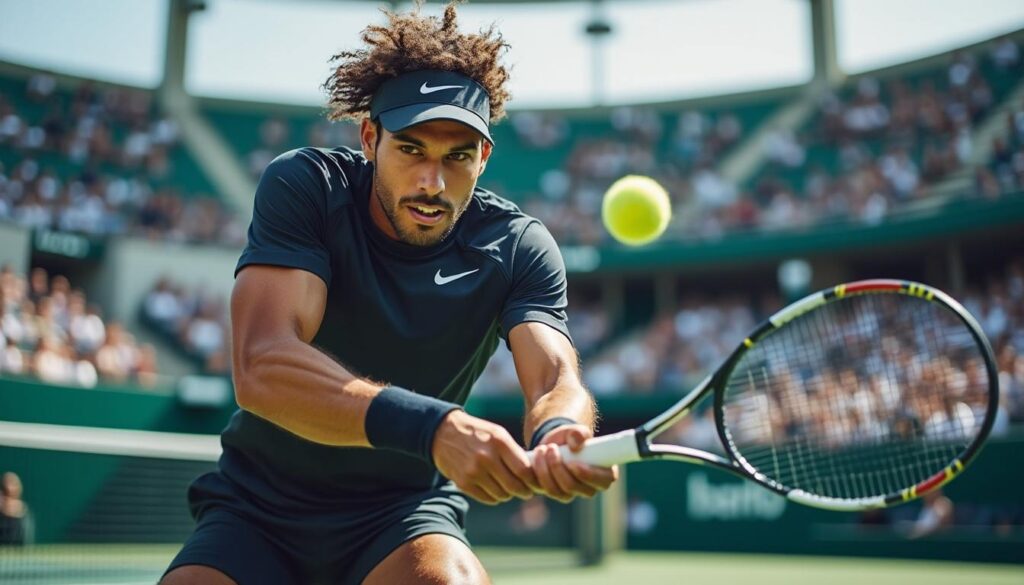
Off season training is the hidden battlefield where champions forge their relentless baseline consistency. During this crucial period away from the glare of tournaments, players immerse themselves in targeted tennis drills that sharpen every facet of their game—from footwork to stroke repetition—that make the difference between fleeting brilliance and sustained dominance. Envision powerful shots arcing over the net, punctuated by razor-sharp accuracy drills and intense ball control exercises that build the foundation for unyielding pressure on the opponent. It is a period marked by fierce dedication, where skill improvement merges with endurance training to sculpt players capable of enduring grueling rallies and demanding match intensity.
In the absence of competitive distractions, thoughtful off season training empowers athletes to dissect their weaknesses and transform them into weapons of precision. The magic lies in the disciplined integration of footwork drills, reaction time exercises, and stroke repetition patterns that ensure every baseline shot meets the rigorous demands of modern tennis. This phase respects the balance between rest and active progression, fueling players with fresh vigor for upcoming clashes on the tour, and instills mental toughness alongside physical resilience. As tennis aficionados witness the breathtaking rallies and tactical skirmishes in the 2025 tennis world updates, the impact of rigorous off season groundwork is undeniable.
From grassroots players to seasoned professionals, the journey to baseline consistency is paved with meticulously structured training programs. Each drill serves as a building block, nurturing not only the player’s technique but also their confidence to execute under pressure. Once the competitive season concludes, the off season becomes a fertile ground for integrating new strategies and embracing coaching changes that reshape a player’s approach to baseline battles, driven by the evolving dynamics seen in the latest season rankings.
In essence, the groundwork laid in off season training echoes far beyond mere physical preparation; it breathes life into the very essence of tennis, turning raw potential into unshakable consistency and clinical execution that fans crave and players aspire to.
Key takeaways:
- Off season training focuses on smart, targeted work to improve baseline consistency beyond the competitive calendar.
- Highly specific tennis drills enhance skill improvement, shot accuracy, and ball control essential for relentless baseline play.
- Endurance training and footwork drills build the physical and mental stamina necessary for sustained rallies.
- Stroke repetition ingrains patterns critical for rhythmic and confident baseline performance.
- Integrating reaction time work sharpens players’ responses under pressure, crucial for top-tier play.
Fundamentals of Off Season Training for Baseline Consistency
Maintaining consistency on the baseline is no accident—it is the result of purposeful off season training meticulously crafted to build stamina, accuracy, and muscle memory. The baseline is where matches are won or lost through repeated, precise exchanges, demanding players to execute perfect strokes time after time. During the off season, players must refine these fundamentals by committing to tennis drills that replicate match conditions with a relentless focus on precision and depth.
Footwork drills are paramount, not just for speed but for positioning the player optimally to strike clean, controlled shots. Exercises such as lateral shuffles, cone drills, and shadow tennis are staples, each emphasizing agility and balance. For example, shadow tennis—where players mimic strokes and movement without a ball—enhances muscle memory and foot positioning efficiency. Such drills synchronize foot placement with each stroke, enabling players to meet the ball in the ideal hitting zone consistently.
Parallel to footwork, stroke repetition is a critical pillar. Practicing forehands and backhands relentlessly shapes neural pathways, making shot execution second nature. Drills that enforce specific targets and adjusted ball speeds simulate real play, encouraging players to adapt quickly and maintain accuracy under varied conditions. This repetitive work is fundamental for delivering consistent depth and spin, crucial in high-level baseline exchanges where reliability trumps raw power.
Targeted offseason exercises combine technical stroke work with endurance training, simulating the physical demands players face in extended rallies. These programs often include multi-ball drills pushing stamina to the limit, requiring players to sustain form and precision as fatigue sets in. The synergy of technique and fitness during the off season ensures players can maintain their baseline consistency throughout long, tense matches.
Additionally, accuracy drills—such as hitting targets placed near the sidelines and deep corners—train players’ precision under pressure. Using cones, baskets, or marked zones, players hone their ability to maneuver opponents and seize control of points from the baseline. This systematic approach to precision imbues players with confidence during crucial match moments, translating into reliable shot-making and tactical dominance once the season resumes.
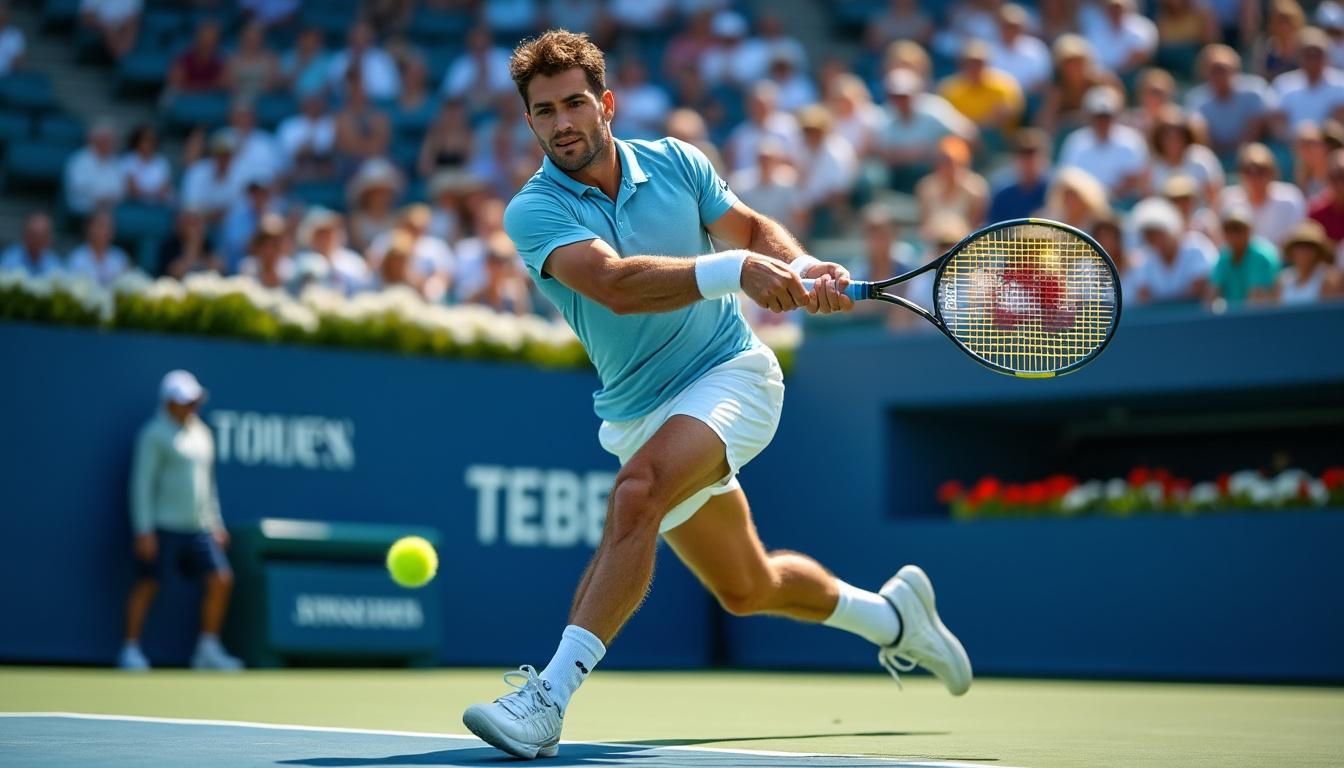
Incorporating Reaction Time and Ball Control in Baseline Drills
Reaction time and ball control distinguish good baseline players from the greats. Off season training demands enhancing these skills through specialized drills that simulate unpredictable scenarios requiring split-second decision-making and precise execution. Incorporating such exercises into a baseline routine primes a player to respond instantly and control the ball with finesse during high-stakes rallies.
Reaction time drills often involve random feed drills where coaches or machines deliver balls unpredictably across the court. Players must react swiftly, adjusting footwork and stroke mechanics on the fly. For example, alternating forehand and backhand feeds challenge the player’s adaptability, sharpening neural pathways that govern quick reflexes. This training not only improves physical response but strengthens mental acuity, conditions essential when under pressure during tight games.
Ball control drills focus on managing spin, speed, and placement with finesse. Exercises like crosscourt drills with controlled rally sequences encourage players to keep the ball deep while manipulating spin and trajectory to disrupt opponents. Mastering these subtleties allows baseline players to impose their rhythm and dictate rallies, wearing down opponents through tactical precision.
Visualization techniques often complement physical drills, enabling players to anticipate ball trajectories and rehearse responses mentally. The mental rehearsal integrates closely with physical reaction training, creating a holistic improvement in baseline consistency where body and mind operate in concert.
Advanced ball control is further tested in endurance scenarios where fatigue challenges precision. Incorporating these drills into offseason fitness and strength training programs fortifies players to sustain fine ball control deep into matches, converting potential physical decline into moments of tactical ingenuity.
Endurance Training and Its Impact on Baseline Consistency
Baseline rallies in modern tennis often extend into long, strategic exchanges that require not only technical skill but tremendous physical endurance. The off season presents a golden opportunity to build the stamina necessary to maintain intensity and precision throughout these demanding points. Endurance training, integrated with tennis drills, transforms how players perform under pressure, turning fatigue from a foe into a manageable factor.
Endurance training for tennis goes beyond traditional cardio. It targets sport-specific conditioning with interval training, sprint variations, and recovery management designed to mimic the start-stop nature of matches. For instance, drills alternating between high-intensity sprints and active rest simulate rally dynamics, conditioning the body to recover swiftly while staying ready to strike with power and accuracy.
Table: Comparison of Endurance Training Methods for Baseline Players
| Training Type | Focus | Benefits |
|---|---|---|
| Continuous Cardio | Aerobic Base | Improves general stamina but lacks match specificity |
| Interval Training | High-intensity bursts | Simulates match play, improves recovery speed |
| Sprint Drills | Explosive Speed | Enhances quick directional changes, reaction time |
| Endurance Drills with Tennis | Stroke consistency under fatigue | Maintains precision, power deep into rallies |
A well-rounded off season program, similar to those outlined in comprehensive offseason conditioning and fitness guides, ensures athletes develop the cardiovascular and muscular endurance essential to sustain baseline consistency. Players develop the physical resilience that powerhouses like Rafael Nadal have famously credited as a foundation of their repeated success and relentless baseline mastery.
Ultimately, endurance training not only supports sustained power but also fortifies mental toughness. When physical limits are challenged, the ability to stay focused and execute each shot under fatigue is what separates top contenders from the rest.
Advanced Tennis Drills for Elevating Baseline Accuracy and Control
Pushing baseline consistency to elite levels demands advanced tennis drills targeting precision, timing, and strategic ball placement. Off season is the prime period to integrate these sophisticated exercises, which blend technical challenge with tactical awareness.
Drills such as target hitting with incremental difficulty encourage players to refine shot placement under growing pressure. Increasing the distance between targets, or incorporating movement before striking, simulates match intensity. Couple these with drills focusing on varying spin and pace, and players cultivate the versatility to adjust their baseline game according to opponents’ weaknesses.
Additionally, combining stroke repetition with situational drills—such as hitting deep baseline shots immediately followed by a sharp angle—builds a dynamic, unpredictable baseline game. This sequence forces players to master both power and finesse, allowing for finely tuned tactical adjustments during matches.
Here is an overview of the key drills and their focus areas:
- Targeted deep court hitting: Enforces shot depth and reduces unforced errors.
- Angle creation drills: Develop skills for acute, point-winning ball placement.
- Spin variation exercises: Train adaptability in shot selection according to court conditions.
- Stroke pattern drills: Integrate repeated sequences for fluid baseline rhythm.
- Pressure point simulations: Rehearse scenarios with increasing competitive intensity to mimic match pressure.
Mastering these drills ensures players upgrade their baseline consistency to a level where accuracy and control become deadly weapons. The importance of this work echoes in current tournament highlights where precise baseline exchanges dictate the outcome of key matches.
Integrating Off Season Training Techniques into Competitive Play
The true test of off season training lies in its translation onto the competitive court. Embedding enhanced baseline consistency into match scenarios requires deliberate practice that mirrors game intensity and pressure. Season preparation routines should weave endurance, reaction time, and accuracy drills into comprehensive practice sequences that build confidence and resilience.
It is critical for players to gradually escalate the intensity of training, transitioning from controlled rehearsals to simulated match points and tactical exchanges. Coaches increasingly recommend mixed-method training programs, combining physical and mental conditioning, evident in strategies discussed around the resumption of practice routines in 2025.
Furthermore, embracing technological advancements such as ball machines with randomized feeds improves reaction timing, enabling players to handle unpredictable shots. Video analysis also supplements this process, allowing refinement of footwork and stroke technique, reinforcing baseline consistency at every step.
This seamless integration ensures the off season training converts into a decisive competitive edge. Players exhibit improved endurance in long rallies, sharper anticipation of opponents’ tactics, and unmatched ball control that frustrates adversaries. The resulting confidence and refined skill sets are critical in the fierce contest of modern tennis.
As the tennis world evolves, off season training has become an indispensable pillar supporting every player’s quest to dominate the baseline. Unlocking the potential of these drills empowers athletes to meet the sport’s growing physical and mental demands, harnessing skill improvement that withstands the rigors of competitive play.
What are the most effective drills to improve baseline consistency?
Footwork drills, stroke repetition, accuracy drills, and reaction time exercises are key to building reliable baseline play. Simulated match-play drills enhance practical application.
How does off season endurance training affect baseline performance?
It boosts stamina and mental resilience, allowing players to maintain precision and power through long rallies in matches.
Can reaction time drills improve match outcomes?
Yes, faster reaction times enable players to handle unexpected shots and execute controlled responses, critical in high-paced baseline exchanges.
Why is stroke repetition essential during the off season?
Repetition engrains muscle memory so players can perform strokes effortlessly and consistently during the pressure of matches.
How important is integrating off season training into practice routines?
Seamless integration ensures physical gains translate to competitive success, helping players maintain baseline consistency when it matters most.