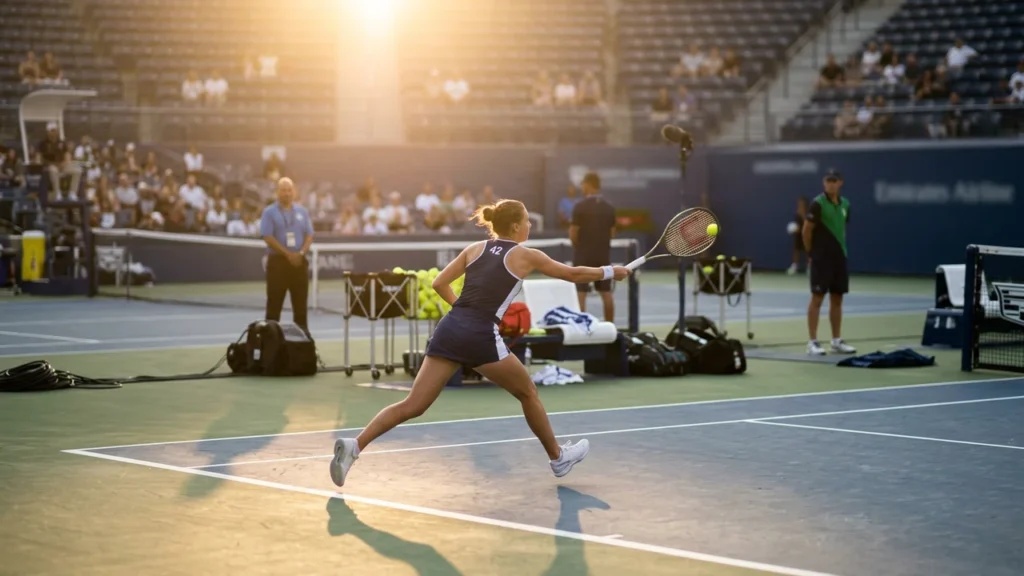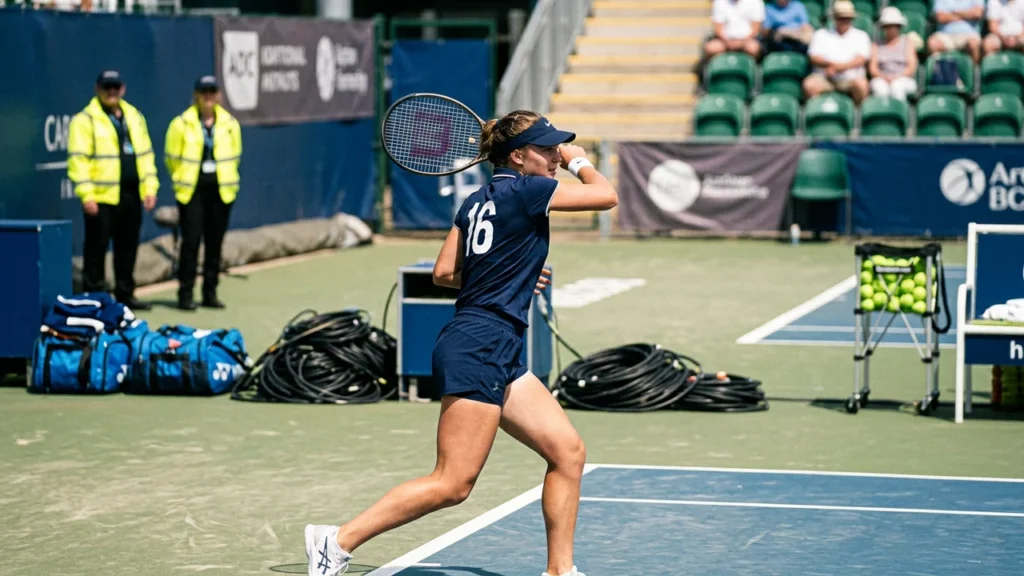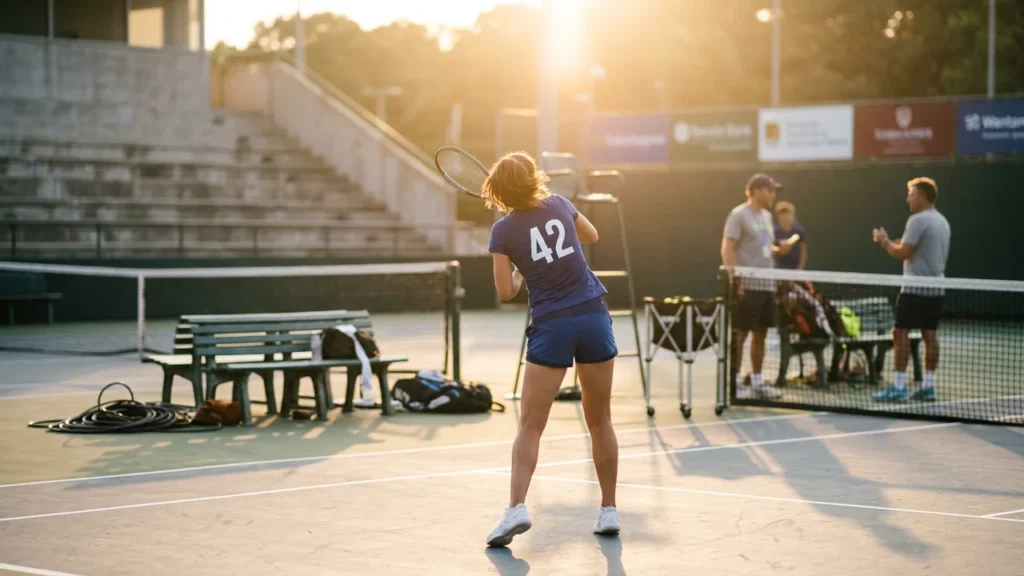
The world of professional tennis is bracing itself for the sizzling excitement that comes with the Australian swing. As the calendar flips to the dawn of the new season, athletes are charging into their final preparation phase, each armed with strategies and determination honed over months. This moment, charged with anticipation, sets the stage for elite competition Down Under, where the Australian Open will ultimately crown champions and cement legacies. From the relentless baseline rallies to the electric atmosphere inside Melbourne Park, the tournament is more than a contest—it’s a spectacle of stamina, skill, and sports strategy that grips the tennis world.
Top players, including the likes of Iga Swiatek and Aryna Sabalenka, have dedicated this critical period to elevating every facet of their game. Their training regimens balance technical finesse, physical conditioning, and mental toughness, all designed to maximize athlete performance when the stakes are highest. The Australian swing isn’t just a series of matches; it’s a battleground where endurance and precision tango under relentless pressure. Through this detailed lens, we dive into how the finest tennis talents plan to seize their moments, crafting narratives filled with high drama and razor-sharp competition.
The final preparation phase is a delicate art. It encapsulates not only the last tweaks in form but also a comprehensive review of the player’s physical and tactical readiness. It’s an intense convergence of practice courts buzzing with ball strikes, weight rooms echoing with exertion, and video analyses dissecting opponents’ patterns. Embedded within this are the stories of comeback warriors, rising stars, and established champions setting the pace for what promises to be a gripping season opener. For fans and newcomers alike, the Australian swing is the pulse point where tennis hearts race wildest and loudest.
Here’s a quick glance at what’s igniting the tennis world’s passion right now:
- Iga Swiatek eyes the Australian Open to reinforce her dominance after a commanding season, preparing with a blend of relentless training and strategic rest.
- Aryna Sabalenka enters revitalized and battle-ready as the defending champion, emphasizing mental resilience and power plays in her regimen.
- Emerging contenders like Coco Gauff and Elena Rybakina sharpen their edge, marking a new generation poised to challenge the usual hierarchies.
- Veterans leverage experience and tactical prowess, ensuring the tournament will be a rich tapestry woven with diverse styles and dramatic matchups.
- Global tournaments leading up to the swing—including the United Cup and Adelaide International—serve as proving grounds to refine form and simulate competition intensity.
How the top players are fine-tuning their skills for the Australian swing
Every player stepping into the Australian swing carries a unique blueprint for final preparation, crafted through countless hours of deliberate training and sports science integration. This phase isn’t just about hitting more balls; it’s about precise calibration of every shot, movement, and mindset. The compelling narrative behind these preparations reveals how the elite manage fatigue, intensify conditioning, and sharpen tactical savvy to dominate hard-court battles.
Iga Swiatek’s approach embodies a champion’s mindset: she embraces a balance of aggressive baseline rallies and targeted on-court drills that focus on explosive footwork and shot selection. Known for her work ethic, she also prioritizes mental training to maintain high match readiness against the unpredictable field. Swiatek’s regular training includes intervals that improve endurance and serve speeds, critical on the fast surfaces she favors. Her regimen integrates physical preparation techniques tailored to sustain peak performance throughout grueling tournament stretches.
- Strict discipline in daily routines, blending cardio with power sessions
- Video analysis to decode opponent tendencies and exploit weaknesses
- Enhanced recovery protocols post-training for injury prevention
- Practice on different court speeds to adapt swiftly during tournament play
- Strategic sparring with top-ranked practice partners to simulate match pressure
Similarly, Aryna Sabalenka’s training focuses on maintaining her signature power game while fine-tuning court coverage and shot consistency. Sabalenka has spoken candidly about using the off-season to recharge mentally and reinforce her aggressive baseline play, a key weapon that helped her secure victory in previous Australian Opens. Her preparation is an indictment of how mental readiness is as crucial as physical capability when entering the high-speed exchanges typical of the Australian swing.
| Player | Focus Area | Training Methods | Goal |
|---|---|---|---|
| Iga Swiatek | Endurance, shot precision | Interval training, video tactics | Maintain dominance on hard courts |
| Aryna Sabalenka | Power strokes, mental resilience | Power drills, mental exercises | Defend Australian Open title |
| Coco Gauff | Agility, consistency | Footwork drills, match simulations | Break into top-tier finals |
| Elena Rybakina | Calm baseline play | Controlled drills, pacing strategies | Deep tournament runs |
These tailored plans reveal why the Australian swing is often a predictor of who will seize early season momentum and build a platform for year-round success. Mastering the intricate balancing act of training intensity and recovery can mean the difference between a first-round upset and a Grand Slam triumph. The fine-tuning extends to practice techniques that refine serve placement and return timing—both critical in the hard-court conditions that define this phase.
The strategic importance of athlete performance in the Australian Open preparation
Performance isn’t merely an outcome at this stage—it is the product of strategic sports science deployment and exhaustive match readiness protocols. The Australian swing demands athletes bring every ounce of physical and psychological preparedness. From managing the fiery sun in Melbourne to coping with the relentless baseline battles, each player’s team orchestrates training blocks that echo real tournament stress.
Within this ecosystem, advances in technology allow players to monitor vitals, hydration levels, and even biomechanical efficiency during practice matches. These data points feed directly into adjustments that optimize recovery and reduce injury risks. For example, players engage in bespoke conditioning programs developed around their unique needs, taking cues from broader tennis insights like those found on conditioning plans for hard courts to tailor endurance and explosiveness.
- Customized nutrition plans supporting peak energy levels
- Heat acclimatization sessions preparing for intense Australian summer conditions
- Sports psychology coaching to enhance focus and pressure handling
- Dynamic warm-up and injury prevention routines
- Ongoing assessment of performance metrics to tweak training loads
Moreover, preparation extends to technical fine-tuning. Returning serves, for instance, is a nuanced skill sharpened through specific drills designed to counter aggressive servers encountered in tournament play. The latest insights shared from the Davis Cup season highlight the efficacy of such targeted practice sessions in boosting competitive edge.
| Preparation Aspect | Focus | Benefits | Example |
|---|---|---|---|
| Nutrition | Match day energy and recovery | Consistent peak performance, quicker recovery | High-protein, balanced meals |
| Mental coaching | Pressure situations | Improved focus, reduced anxiety | Visualization techniques |
| Conditioning | Endurance and explosiveness | Better court coverage, fewer injuries | Interval sprints and plyometrics |
| Serve return drills | Counter aggressive serves | Higher return success rates | Targeted anticipation exercises |
The relentless pursuit of higher athlete performance goes beyond the physical. As the mental training checklist suggests, psychological endurance is key in navigating grueling matches and clutch points. This blend of conditioning and mindset preparation represents the heart of the final preparation phase as players gear up for one of tennis’s most testing and exhilarating circuits.
Top players shaping their competitive edge through tournament strategies
While training sets the foundation, the ultimate test comes from competition experience and smart scheduling. The Australian swing is no exception. Players carefully calibrate their tournament entries, balancing the need for match practice with rest to maintain top form. Events such as the United Cup and the Adelaide International serve as tactical arenas where players put their training into practice, adjusting strategies against varied opponents.
Strong tactical adaptations define the path to success in these tournaments. For example, adjusting baseline aggression based on opponent tendencies can flip the momentum of a match dramatically. Players like Coco Gauff use these lead-up tournaments to sharpen footwork and explosive baseline movement, critical for match readiness, while veterans like Victoria Azarenka focus on leveraging experience to outmaneuver rising threats with smarter shot selection.
- Scheduling warm-up matches to manage physical load
- Testing different racquets and gear for optimal feel and power gear insights
- Studying opponents’ recent match footage to adapt strategies
- Refining serve placement and return tactics through live match situations
- Building momentum heading into the Grand Slam
| Tournament | Role in Preparation | Player Focus | Outcome Goals |
|---|---|---|---|
| United Cup | Team competition, match intensity | Stamina, teamwork | Build competitive edge, assess form |
| Adelaide International | Neutral court conditions | Serve and return practice | Fine-tune skills under pressure |
| Australian Open | Grand Slam, peak performance | All-round match readiness | Claim title, set season tone |
Success in these tournaments often hinges on how well players manage the mental and physical demands. Adjustments during the United Cup, for instance, allow insights into opponents’ current form, giving top contenders a strategic edge before the high-pressure Australian Open matches. The importance of such tactical competition experience cannot be overstated in the journey to peak performance.
Emerging stars and veterans adding drama to the Australian Swing competition
The Australian swing isn’t just a contest of current champions; it is a vibrant theatre where rising talents challenge gladiators of the sport. Names like Coco Gauff and Elena Rybakina bring fresh narratives, blending youthful vigor with evolving tactical acumen. Meanwhile, seasoned competitors such as Victoria Azarenka and Simona Halep inject experience, turning every match into a gripping drama of skill, willpower, and adaptation.
These stories shape a tournament dynamic filled with unpredictability. Upstarts capitalize on physical readiness and hunger, while veterans depend on court intelligence and psychological resilience. Fans witnessed this at the WTA Finals not long ago, where emerging stars forced classic powerhouses to elevate their games in real-time. Such compelling showdowns fuel the excitement leading into the Australian Open.
- Coco Gauff: Expanding her tactical arsenal to challenge top players on hard courts
- Elena Rybakina: Utilizing calm consistency to disrupt aggressive opponents
- Victoria Azarenka: Applying veteran savvy to control momentum
- Simona Halep: Balancing defense with tactical offense to stay competitive
- Rising talents and comeback stars: Providing fresh unpredictability to the competition
| Player | Strengths | Strategy | Expected Impact |
|---|---|---|---|
| Coco Gauff | Agility, determination | Pressing aggressive baseline play | Potential to disrupt top seeds |
| Elena Rybakina | Steadfast baseline game | Patience, steady pace control | Deep runs in tournaments |
| Victoria Azarenka | Experience, mental toughness | Strategic shot placement, momentum shifts | Influential role in matches |
| Simona Halep | Defensive solidity, range | Metered aggression, endurance | Competitive longevity |
Such diversity enhances the drama and unpredictability of the competition, making the Australian swing not just a tournament sequence but a compelling chapter in tennis history. Every match becomes a story where physical preparation meets strategic brilliance, captivating audiences worldwide.
Key challenges and opportunities facing the top athletes before the Australian Open
As the final countdown ticks away, players must navigate a minefield of challenges that test the limits of their physical and mental capacities. The Australian swing’s unique conditions—ranging from relentless heat to fast court speeds—expose weaknesses and amplify strengths. Successfully overcoming these hurdles offers significant opportunities to build momentum for the rest of the year.
The risk of injury intensifies during this preparation phase, with players balancing aggression in training against the preservation of durability. Managing minor ailments and ensuring peak match readiness is a science unto itself, reliant on the most current recovery methods seen in elite tennis recovery strategies. Additionally, the pressure of maintaining or improving rankings adds psychological weight, demanding refined mental fortitude.
- Heat management: Intensive acclimatization to cope with Australia’s summer conditions
- Injury prevention: Tailored conditioning programs focusing on flexibility and explosiveness
- Mental pressure: Techniques to handle expectations and maintain calm under fire
- Technical consistency: Sharpening strokes and adapting to court speeds
- Strategic scheduling: Balancing competition and rest for optimal form
| Challenge | Response Strategy | Benefit | Implementation |
|---|---|---|---|
| Heat stress | Heat acclimatization sessions | Reduced fatigue in matches | Training in climate-controlled environments |
| Risk of injury | Preventative conditioning | Longer competitive seasons | Stretching, plyometric exercises |
| Psychological pressure | Mental resilience training | Improved focus under stress | Visualization, mindfulness techniques |
| Technical lapses | Focused skill drills | Greater consistency during play | Serve and return refinements |
What lies ahead in the Australian swing will dramatically influence career trajectories—not only through trophy wins but through the intangible gains of competitive grit and renewed confidence. Top players dedicate these final preparation weeks not just for victory but for legacy. Their stories, carved amid fierce competition and grueling training, are set to electrify tennis fans worldwide at the season’s first Grand Slam.
What makes the Australian swing unique for player preparation?
The Australian swing takes place in challenging weather and fast hard-court conditions, demanding specific physical and mental preparation strategies that focus on endurance, heat management, and adaptive gameplay.
How do top players balance training intensity to avoid injury before major tournaments?
Players employ tailored conditioning and recovery programs that blend high-intensity drills with adequate rest, using real-time data monitoring to fine-tune their physical loads and prevent injury.
Why are lead-up tournaments crucial before the Australian Open?
Tournaments like the United Cup and Adelaide International allow players to test strategies, gain match readiness, and build momentum in conditions similar to the Australian Open.
How do psychological techniques impact athlete performance during the Australian swing?
Mental training enhances focus, reduces anxiety, and builds resilience, enabling players to manage pressure and perform consistently throughout the high-stakes matches.
Which emerging stars are poised to challenge established players in the Australian swing?
Players such as Coco Gauff and Elena Rybakina bring fresh energy and evolving tactics, making them strong contenders to disrupt traditional hierarchies.