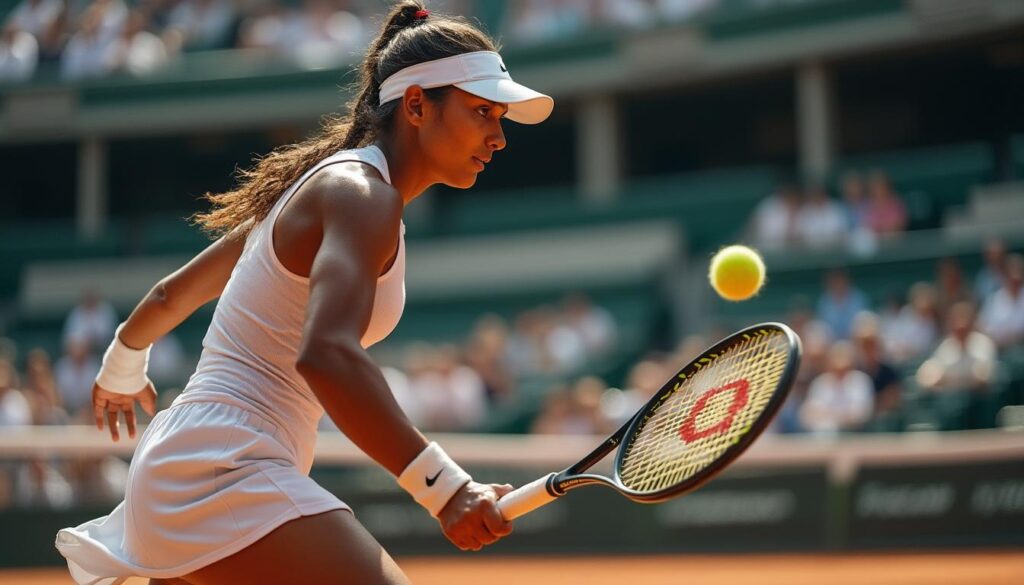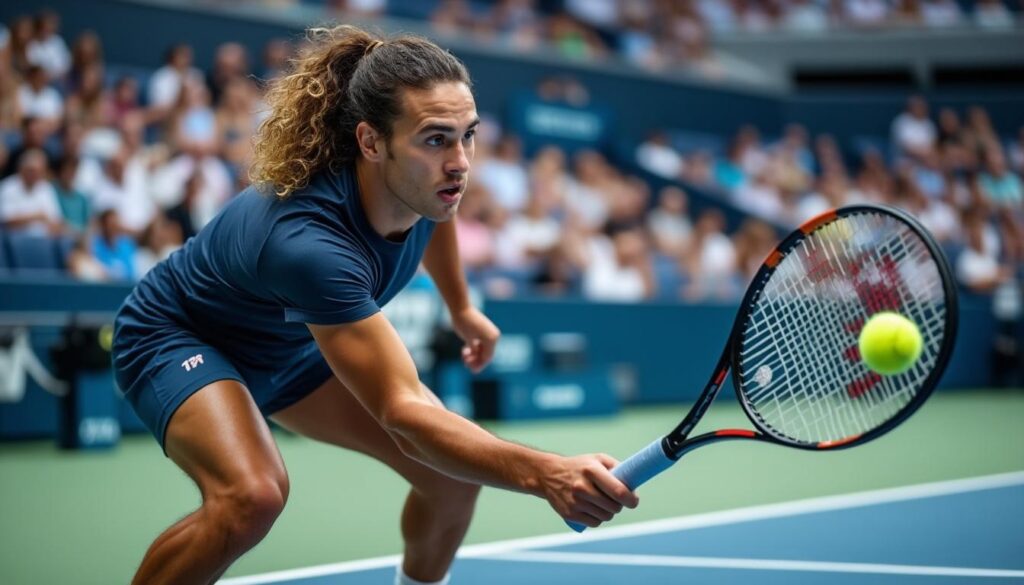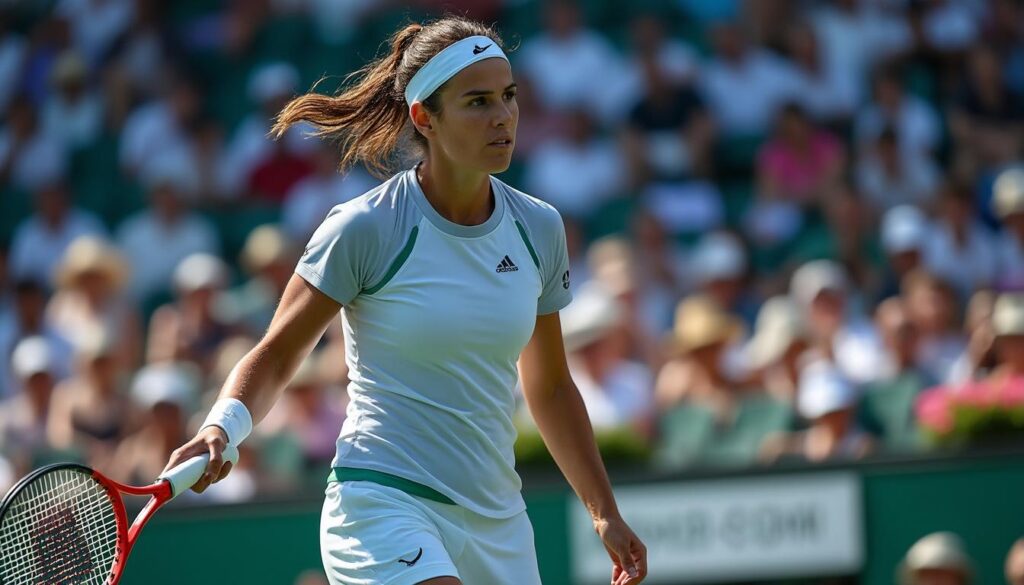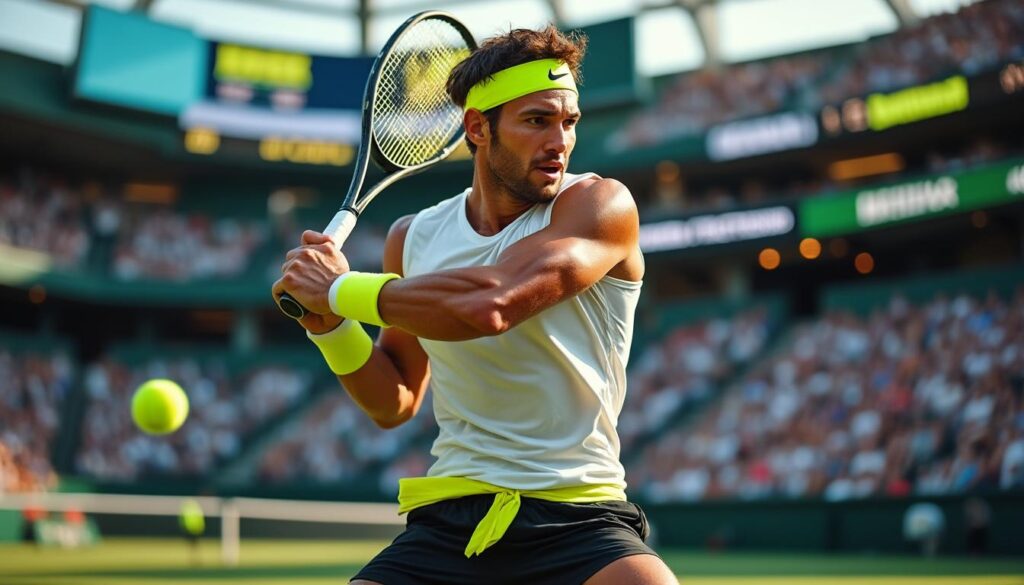
When the sun blazes down and the court feels like an oven, tennis transforms from a game of skill into a fierce battle of endurance and resilience. Heat management in high intensity tennis matches is not just a side note; it’s a vital strategy that can determine victory or defeat. Players confront brutal environmental conditions, from soaring temperatures to suffocating humidity, that can unsettle their physical equilibrium and mental sharpness. Mastering hydration, cooling techniques, and recovery strategies becomes as central as perfecting a volley or nailing a serve.
This article dives deep into the science and art of thermal regulation on the tennis court, providing a comprehensive playbook for navigating extreme heat. From pre-match preparation through tactical in-play cooling to post-match recovery, the methods highlighted here empower players to sustain peak performance even under punishing heat stress. The stakes are high—every drop of sweat, every sip of fluids can influence the rhythm and outcome of a match in 2026’s sizzling tournament circuits. Understanding how elite athletes manage these challenges elevates the entire game for fans and players alike.
Key points to keep in mind:
- Hydration is king: Starting well-hydrated and maintaining fluid intake throughout matches keeps muscles firing and minds focused.
- Advanced cooling techniques: Utilizing shade, cooling towels, and even innovative gear supports core temperature management during play.
- Effective thermal regulation: Balancing sweat loss and electrolyte replacement prevents debilitating fatigue and cramping.
- Heat stress awareness: Recognizing early signs of heat-related illness can protect players from serious health risks on court.
- Recovery strategies: Thoughtful post-match protocols accelerate muscle repair and nervous system recovery, priming athletes for future battles.
Physiological Impact of Heat Stress on High Intensity Tennis Matches
High intensity tennis matches under scorching conditions force players into a physical crucible where every physiological system is tested. Heat stress triggers a cascade of body responses designed to maintain internal equilibrium but often at a performance cost. When body temperature rises, the heart beats faster to redirect blood flow to the skin’s surface, promoting heat dissipation but decreasing oxygen supply to working muscles. This directly impacts endurance and power output, forcing players into more conservative movement patterns or rushed shot selection.
Excessive sweat production, a critical cooling mechanism, leads to fluid and electrolyte loss. If not addressed properly, this results in dehydration, muscle cramps, and a drop in cognitive function—key factors that determine tactical decisions and focus. In humid environments, sweat evaporation slows, making it even harder for athletes to cool down, escalating the risk of heat exhaustion and heat stroke.
Research and player feedback from recent tournaments emphasize the fine line between pushing physical limits and succumbing to heat-induced impairment. For example, top contenders in the early season matches often test their bodies by training and competing in rising temperatures, learning hard lessons on pacing and thermal regulation.
The ability to read one’s physiological signals—like sudden heartbeat spikes, breathlessness, or lightheadedness—is crucial. Integrating wearable sensor data that tracks core temperature and sweat rate provides modern players with real-time feedback, allowing swift in-match adjustments. This technology acts as a digital coach whispering vital heat management advice, ensuring players stay competitive without jeopardizing their health.
Furthermore, the interplay of heat and mental fatigue cannot be underestimated. The mind’s capacity to stick to a tactical game plan diminishes as discomfort mounts. Fatigue leads to impatience, missed opportunities, and unforced errors, which often spell doom for performance. The story of many high-profile matches in scorching venues revolves as much around strategic thermal management as it does around raw talent.

Pre-Match Preparation: Optimizing Hydration and Nutrition for Heat Endurance
Proper pre-match preparation can be a game changer when it comes to tackling high intensity tennis matches in sweltering heat. The foundation lies in optimal hydration and nutrition that prime the body’s thermal regulation systems before the first serve.
Starting with hydration, players should aim to be well-hydrated hours before stepping on court. This means drinking fluids rich in electrolytes to replenish sodium, potassium, and magnesium lost through sweat. Electrolyte balance is essential because it maintains nerve and muscle function, allowing explosive, precise movements that are the hallmark of great tennis.
Carbohydrates load the muscles with energy reserves, acting as fuel during long rallies and intense bursts. Consuming easily digestible carbs, such as bananas or energy bars, before the match ensures steadier blood sugar levels and delays the onset of fatigue. Hydrating with water alone neglects the necessity of replacing salts, so sports drinks tailored for endurance athletes provide the better choice.
Players are also encouraged to include high-water-content fruits and vegetables in their pre-match meals. Watermelon, cucumbers, and oranges not only hydrate but provide antioxidants that help mitigate cellular stress caused by heat.
Trial runs during practice days help tailor this pre-match protocol. Regularly weighing oneself before and after practice sessions under varying environmental conditions reveals personalized sweat rates and hydration needs. By crafting a bespoke plan, players avoid the pitfalls of overhydration or insufficient fluid intake, both of which can disrupt performance and health.
Understanding match preparation extends beyond physiological needs. Modifying warm-up routines to minimize heat exposure, wearing lightweight apparel designed to maximize breathability, and planning on-court nutrition and fluid intake all form part of a holistic approach.
Checklist for Pre-Match Heat Preparation:
- Hydrate extensively with electrolyte-enhanced fluids 2-3 hours pre-match.
- Consume high-carb, easily digestible snacks 1 hour before play.
- Include fruits/vegetables rich in water and antioxidants.
- Wear breathable, lightweight clothing suitable for thermal regulation.
- Practice and adjust hydration based on sweat rate analysis.
- Modify warm-up activities to prevent early overheating.
In-Match Cooling Techniques and Hydration Strategies for Sustained Performance
When the match heats up—literally—the battle moves beyond the baseline. Maintaining core temperature and fluid balance becomes paramount to keep performance optimization intact. Tennis players employ a range of cooling techniques alongside precise hydration tactics to combat the brutal environmental conditions they face during high intensity tennis matches.
During changeovers, quick cooling interventions dramatically affect stamina and recovery. Applying chilled towels or ice packs to pulse points like the neck and forehead can drastically alleviate thermal strain. Players also seek shade to reduce skin temperature, buying precious seconds to recalibrate physically and mentally. The use of specialized cooling gear—such as performance hats or headbands infused with cooling technology—has gained popularity in professional circuits, supported by growing scientific evidence of their efficacy.
Sipping on electrolyte solutions that contain balanced sodium and potassium concentrations helps replace what sweat drains out, stabilizing muscle function and preventing cramping. Fluid intake timed strategically around changeovers supports sustained hydration without risking discomfort from fluid overload. Coaches and support crews meticulously prepare these hydration packs, sometimes personalized down to the exact electrolyte formula and volume tailored to individual player needs as revealed through extensive hydration testing.
In fact, hydration mistakes in the heat can lead to a staggering increase in unforced errors, loss of tactical awareness, and a severe dip in overall efficiency on-court. Players are taught the signs of dehydration and heat stress—confusion, flushing, dizziness—so they can call for medical timeouts or self-adjust as needed.
Additionally, players must carefully regulate their energy expenditure and shot selection under thermal stress. Unnecessarily long points or chasing balls beyond efficient reach can accelerate exhaustion. Ideally, high-intensity efforts are reserved for critical match moments, mixing bursts of aggression with controlled baseline rallies. Tactical rehearsal drills done in controlled hot environments can help condition players to this nuanced style of play, as explained in detailed guides on tactical rehearsal drills.
| Cooling Technique | Purpose | Benefits | Usage Tips |
|---|---|---|---|
| Chilled Towels/Ice Packs | Lower skin and core temperature | Reduces heat stress, prolongs stamina | Apply during all changeovers to pulse points |
| Shade Breaks | Decrease direct sunlight exposure | Immediate relief from overheating, mental reset | Seek shade during all breaks and timeouts |
| Electrolyte Drinks | Replenish vital salts lost through sweat | Prevents cramps and maintains muscle control | Drink regularly, avoid excessive volumes |
| Cooling Apparel (hats, bands) | Support sustained thermal regulation | Extends peak cognitive and physical output | Use during entire match, keep moist where applicable |
Effective heat management on court demands a seamless integration of these cooling techniques with hydration and pacing strategies. Players who master this triad often find themselves better equipped to steal decisive match points despite oppressive heat conditions.
Post-Match Recovery Strategies to Combat Heat-Induced Fatigue
After the final serve lands and the crowd’s roar fades, recovery kicks in as an essential phase in managing heat-induced fatigue. The toll of a high intensity tennis match played in hot conditions is significant, with muscle glycogen depletion, dehydration, and nervous system fatigue severely impacting subsequent performance if not addressed properly.
Rehydration stands at the forefront of recovery. Players need to replenish not only water but also electrolytes lost during the match. Consuming beverages rich in sodium, potassium, and magnesium promotes effective fluid retention and muscle recovery. Pairing hydration with nutrient-dense meals containing carbohydrates and proteins supports tissue repair and energy restoration.
Rest and active recovery techniques accelerate healing. Light stretching and low-intensity movements promote blood flow and reduce stiffness without taxing fatigued systems. Sleep quality is paramount — it repairs neural pathways and balances hormonal responses compromised by thermal stress.
Many top athletes turn to ice baths or contrast water therapy to reduce inflammation and expedite recovery, a choice supported by contemporary debates weighing ice bath vs active recovery effectiveness. Embedded recovery routines tailored to individual responses form a crucial layer in heat management protocols, as illustrated by elite athletes during grueling tournament runs.
Coaches and trainers play a pivotal role in orchestrating these recovery regimens, ensuring players follow scientifically-backed protocols that prepare body and mind for the next challenge. Recovery strategies also include mental relaxation techniques to counterbalance the emotional toll of enduring discomfort and pressure under heat stress.
Adaptation to Environmental Conditions and the Role of Acclimatization
Tennis players competing on the global stage face fluctuating environmental conditions that can swing from chilly indoor arenas to blazing outdoor courts. Success in high intensity matches often hinges on how well athletes acclimatize to heat over time, transforming vulnerability into strength.
Acclimatization involves progressive exposure to hot conditions that gradually enhance the body’s thermal regulation capabilities. Sweating efficiency improves, cardiovascular strain decreases, and mental resilience builds—a physiological and psychological upgrade central to heat performance optimization.
Training camps set in climates mirroring tournament conditions have become a staple for top players. This strategic approach, supported by evidence from studies focused on minimizing heat stress, allows athletes to enter competitions primed for thermal challenges. Incremental workload increases during acclimation ensure adaptations occur without risking overtraining or injury.
Studies show acclimatized players maintain higher stroke accuracy and shot power late in matches under heat stress, outperforming non-acclimated peers. This edge often defines key moments in contests played in hot-weather venues.
Combining acclimatization with continuous education on hydration, cooling, and recovery creates a comprehensive heat management toolkit. Players and their teams increasingly invest in wearable technology and environmental monitoring devices to tailor their protocols dynamically, ensuring adaptability as tournaments unfold under shifting conditions.
Those ready to dive deeper into player preparation for scorching tournaments can explore detailed tips on match preparation tips and essential gear choices for heat resilience in the tennis bag essentials guide.
What are the early signs of heat stress in tennis players?
Early signs include dizziness, excessive sweating followed by a sudden decrease in sweating, headache, muscle cramps, and confusion. Recognizing these symptoms allows for timely intervention to prevent heat-related illnesses.
How does hydration impact performance during high intensity matches in heat?
Proper hydration maintains blood volume, supports sweat production, and facilitates efficient thermal regulation. Dehydration reduces endurance and cognitive focus, causing earlier fatigue and decreased shot accuracy.
What cooling techniques are most effective during tennis matches in extreme heat?
Applying chilled towels to pulse points, seeking shade during breaks, and using specialized cooling apparel are proven methods. These help lower core and skin temperatures, reducing heat stress and improving stamina.
Why is acclimatization important for tennis players competing in hot conditions?
Acclimatization improves sweat response, cardiovascular efficiency, and mental toughness, enabling players to sustain higher levels of play in heat. It reduces the risk of heat illness and enhances overall performance.
What are best practices for post-match recovery after playing in the heat?
Rehydrating with electrolyte-infused fluids, consuming balanced meals rich in carbohydrates and protein, engaging in active recovery like stretching, and prioritizing quality sleep all aid in reducing fatigue and preparing for upcoming matches.