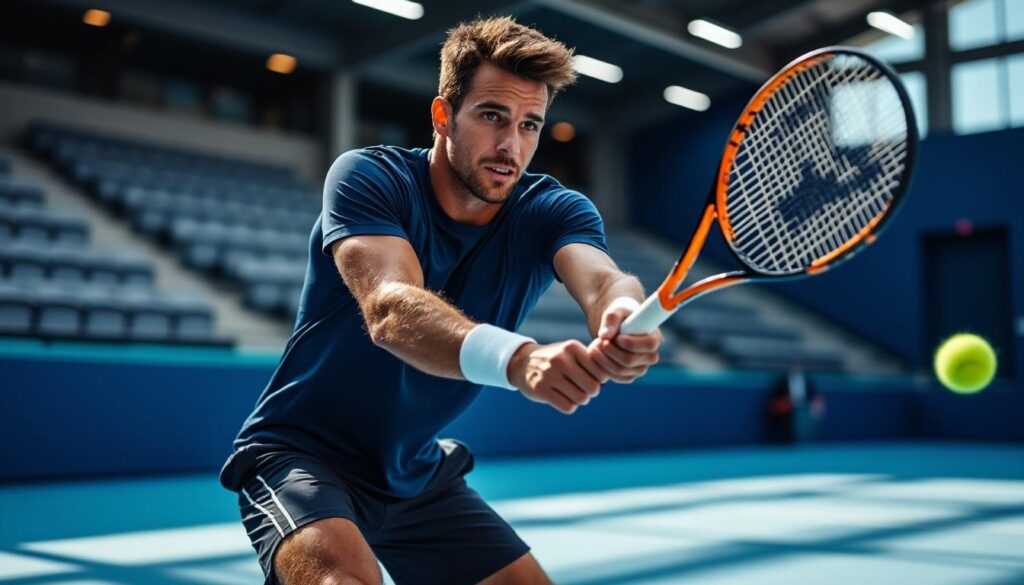
When it comes to high-intensity practice sessions, the choice of apparel can make all the difference in an athlete’s performance. Lightweight athletic gear crafted from breathable fabric isn’t just about comfort—it’s a strategic tool that enhances mobility, agility, and endurance on the court or field. As sportswear technology advances, lightweight apparel releases are increasingly designed to push the boundaries of athletic performance, allowing athletes to train harder and move faster without feeling weighed down.
In 2025, the surge in demand for performance wear that fuses flexibility with moisture management has brought innovation into the spotlight. From professional athletes honing their skills through expertly planned high-intensity conditioning routines to weekend warriors aiming for better game days, the right fabric and design are vital components of success. This article examines how lightweight apparel is revolutionizing mobility in intense training sessions and why these advances matter to anyone serious about sport.
The following sections will dive deep into the fabric science behind lightweight athletic gear, the importance of breathability and stretch, lessons from top-tier tennis training, integration of moisture-wicking properties, and how leading brands are shaping the future of mobility-focused sportswear.
How Lightweight Apparel Enhances Mobility During Intense Workouts
Mobility is the cornerstone of athletic excellence. Whether it’s explosive lateral movements on the tennis court, swift pivots during basketball, or agile footwork in soccer drills, an athlete’s ability to move freely without restriction impacts the outcome dramatically. Lightweight apparel is engineered specifically to meet this demand by minimizing bulk and maximizing flexibility.
But what truly makes lightweight sportswear a game-changer? The secret lies in the fabric composition and garment design.
Stretch and Flexibility: The Fabric Advantage
Materials like spandex, Lycra, and elastane dominate this space due to their incredible elasticity. Spandex, renowned as “The King of Stretch,” can extend up to five times its original size without losing shape. When blended with other durable fibers like polyester and nylon, it creates a fabric that moves seamlessly with the body.
This blend allows athletes to execute complex movements like deep lunges, quick sprints, and dynamic stretches with ease. Unlike rigid cotton or denim, which restrict motion and absorb moisture, these specialized fabrics provide a second-skin feel, fostering flawless agility and control.
Design Innovations Supporting Movement
Beyond the fibers themselves, designers integrate strategic seams, paneling, and cuts aimed at enhancing freedom of movement. Seam placements that follow the natural lines of muscle groups prevent chafing and allow for expansive range of motion. Some releases even include compression zones placed to support muscle activation and recovery during practice sessions.
Additionally, lightweight apparel often features weighted-down detailing or vented areas that improve airflow, further enabling athletes to maintain speed and endurance. These nuanced design choices contribute massively to an athlete’s ability to maintain intensity without feeling constricted.
Real-World Examples from Tennis Training
Consider the demanding routines of top tennis players who incorporate explosive drills such as the Djokovic return blueprint or Alcaraz forehand patterns to sharpen agility and precision. Wearing lightweight performance wear allows these athletes to pivot, leap, and recover at maximum speed during long, grueling practice sessions. Supportive yet breathable gear maintains comfort and mobility so players can sustain peak performance levels without distraction from sweat or heavy fabrics.
Effective apparel and gear align closely with an athlete’s conditioning goals, highlighting how crucial lightweight, flexible clothing is for success in high intensity sports training.

The Science Behind Moisture-Wicking Fabrics in Athletic Gear
High-intensity practice sessions generate significant sweat, which can quickly undermine comfort and performance if apparel does not manage moisture effectively. This is where breathable fabric technologies excel, specifically through moisture-wicking properties.
Moisture-wicking fabrics create a dynamic moisture management system. Using capillary action, sweat is pulled away from the skin to the fabric’s surface, where it evaporates rapidly. This process keeps the skin dry and prevents the fabric from becoming heavy and clingy during intense activity.
Polyester and Nylon: Champions of Moisture Management
Among the most popular fibers in moisture-wicking sportswear are polyester and nylon. These synthetic materials resist water absorption, rather than soaking it in like natural fibers such as cotton. As a result, workout apparel built from polyester or nylon stays lighter, even as sweat accumulates.
Polyester, specifically, is favored because it combines durability, breathability, and moisture control. It maintains integrity through countless washes and intense wear, a crucial factor for athletes who train regularly. Nylon, on the other hand, adds superior elasticity and softness, ensuring comfort without sacrificing drying speed.
Combining Fabrics for Optimal Performance
Today’s athletic gear often features fabric blends that balance the unique benefits of each material. For example, pairing polyester’s durability and moisture-wicking with spandex’s unmatched elasticity yields lightweight apparel that supports unrestricted movement and keeps athletes cool.
Manufacturers also enhance these fabrics with antimicrobial treatments to inhibit bacteria growth and odor formation, a must-have for keeping gear fresh after repeated high-intensity practice sessions. This innovation means athletes no longer need to sacrifice hygiene or comfort.
Performance Benefits for Athletes
- Temperature Regulation: Quick evaporation helps stabilize body temperature, preventing overheating during extended training.
- Comfort: Reduced moisture buildup leads to less chafing, skin irritation, and discomfort.
- Enhanced Focus: Dry, breathable clothing allows athletes to maintain concentration, free from distractions caused by sweat or sticky fabrics.
The growing relevance of moisture-wicking technology in sportswear underscores why many professional players emphasize selecting apparel with these properties for their practice and competitions. Understanding which materials offer these advances can give any athlete a competitive edge.
Key Features of Lightweight Performance Wear that Boost Agility
Mobility and flexibility emerge as pivotal attributes in top-tier lightweight apparel engineered for high intensity practice sessions. The best pieces of sportswear do not merely sit on the body; they adapt, stretch, and respond to every move.
Seamless Construction and Ergonomic Cuts
Many leading athletic garment releases now rely on seamless knitting techniques or minimal seams to reduce friction and restrictiveness. Ergonomic cuts tailor the fit to athletic needs, emphasizing critical joints and muscle groups that demand liberation during quick steps, twists, and turns.
Compression Zones and Muscle Support
Innovative sportswear brands integrate compression zones that improve blood flow and muscle stabilization. By providing targeted support during intense practice sessions, this technology decreases fatigue and enhances recovery, letting athletes push beyond previous physical limits.
Lightweight and Breathable Design Innovations
Footwork agility drills like those detailed in footwork agility ladder drills demand apparel that breathes yet remains protective. High-tech mesh panels and variable thickness fabrics are used to permit air circulation while offering protection from external elements.
These features contribute to improved athlete endurance and reduced heat retention, all essential for performance wear during grueling sessions or matchplay.
| Feature | Benefit | Impact on Mobility |
|---|---|---|
| Stretch fabric blends (Spandex, Polyester) | Enhanced flexibility and durability | Allows full range of motion during sport-specific movements |
| Seamless construction | Minimizes chafing and friction | Supports sustained movement without discomfort |
| Compression panels | Improves muscle support and circulation | Reduces fatigue and improves recovery times |
| Moisture-wicking technology | Keeps skin dry and comfortable | Maintains focus and reduces overheating |
| Breathable mesh inserts | Optimizes airflow and temperature control | Prevents overheating and increases endurance |
Lightweight apparel incorporating these features is not just about fashion—it’s a performance weapon that enables athletes to move faster, train longer, and recover better. The strategic release of such sportswear reflects new understandings of biomechanics and athlete needs in 2025.
Insights From Pro Tennis: Mobility-Centered Apparel in Practice Sessions
Professional tennis offers a clear lens through which to view the connection between lightweight apparel and enhanced mobility during high intensity practice sessions. Tennis demands rapid changes in direction, explosive power, and endurance, often within the span of long rallies or extended matches.
Players at the top tier train extensively, combining tactical drills with physical conditioning. These sessions often integrate specific movements that mimic match play, requiring apparel that delivers unrestricted flexibility and consistent moisture control. The growing focus on mobility has influenced recent releases in court apparel that pair advanced moisture-wicking fabrics with ergonomic patterns.
For example, months of preparation for tournaments like the upcoming WTA indoor events require apparel capable of keeping players comfortable through intense, sweat-heavy practice days. Tennis apparel brands have been keen to adopt new fabric technologies and mobility-enhancing designs.
Moreover, lightweight apparel supporting elite tennis players feeds into recovery benefits by integrating compression and breathability, vital for back-to-back practice sessions and tournament play. This revolution in sportswear design facilitates a holistic approach to training by uniting performance wear with athlete health.
The impact of this trend stretches beyond tennis alone. Sports like basketball, running, and HIIT workouts increasingly rely on similar apparel innovations, emphasizing agility and comfort.
Making the Right Apparel Choices: What Every Athlete Should Know
Choosing athletic gear for high intensity practice sessions isn’t a matter of style alone; it’s a tactical decision that affects training outcomes. Knowledge about fabric properties, design features, and garment function helps athletes maximize their investment in performance wear.
Key considerations include:
- Material Composition: Opt for fabrics with proven lightweight characteristics and excellent moisture management like polyester blends and spandex. Avoid heavy cotton for intense training to prevent discomfort caused by sweat retention.
- Fit and Flexibility: Ensure the apparel allows a full range of motion through stretchy fabrics and ergonomically designed cuts.
- Breathability: Mesh panels and ventilation zones are essential for temperature regulation during extended or intense sessions.
- Durability: Performance wear should withstand repeated washing and high-impact movement without losing shape or function.
- Additional Features: Antimicrobial treatments and easy-care properties reduce odor and maintain freshness between workouts.
Consulting current trends and expert recommendations can guide smart purchases. For example, reports on essential gear for November 2025 highlight brands that lead in combining mobility, moisture management, and ergonomic design.
Ultimately, the right lightweight athletic apparel enables athletes to stay cool, dry, and unrestricted — critical components to mastering the demands of any high intensity practice session.
What are the best fabrics for lightweight sportswear?
Polyester, nylon, and spandex blends are top choices due to their flexibility, moisture-wicking properties, and durability.
How does moisture-wicking fabric improve performance?
By pulling sweat away from the skin and onto the fabric’s surface, moisture-wicking fabrics keep athletes dry and comfortable, which helps maintain focus and prevents overheating.
Can lightweight apparel prevent muscle fatigue?
Yes, garments with integrated compression zones support muscles and improve blood flow, reducing fatigue during high intensity sessions.
Is cotton suitable for intense workouts?
Cotton absorbs sweat and becomes heavy and uncomfortable, so it’s best to choose moisture-wicking synthetic fabrics for high intensity training.
How should I care for lightweight athletic apparel?
Wash in cold water with mild detergent, avoid fabric softeners, and air dry when possible to preserve fabric performance and moisture-wicking properties.