Indoor hard courts test every ounce of a player’s footwork and endurance, pushing shoes to their limits with relentless abrasion and rapid lateral movements. Players craving to dominate such unforgiving surfaces know that the right footwear is not just a gear choice—it’s the silent partner in every sprint, stop, and striking shot. As the October 2025 indoor season ramps up, choosing tennis shoes that deliver impeccable grip, unwavering support, and lasting durability is essential to both performance and injury prevention.
From the hardwood gyms hosting local tournaments to synthetic indoor courts where pros sharpen their speed and power, the demands on tennis shoes intensify. Not all sneakers are born equal when it comes to mastering this high-impact environment. Beyond just sticking to the surface, indoor hard-court shoes must provide a balance of lateral stability, shock absorption, and resilience against the abrasive flooring that can quickly degrade inferior soles.
With new entries from respected brands like Nike, Adidas, New Balance, and Yonex integrating cutting-edge materials and design philosophies, 2025 promises a diverse selection tailored to different foot shapes, playing styles, and budget brackets. Knowing which shoe can elevate your indoor game while protecting feet and joints from the harsh toll of hard courts is vital.
Drawing from in-depth tests, player feedback, and expert analysis, this guide serves as your gateway to the best indoor hard-court shoes of the season. Expect vivid comparisons, technical breakdowns, and practical advice that go beyond buzzwords to help you make an informed choice. Whether you’re a weekend warrior seeking reliable cushioning or a competitive player chasing that edge in grip and agility, your next favorite pair is waiting.
For additional insights into tennis court surfaces and how they impact footwear performance, visit Tennis Guide Court Surfaces.
Key Points at a Glance:
- Specialized rubber outsoles: Required to resist wear on abrasive indoor surfaces and provide non-marking traction.
- Lateral support and stability: Essential to prevent injuries during quick side-to-side movements.
- Cushioning technologies: Vital to reduce joint impact from hard court impacts and extend playing comfort.
- Fit and breathability: Proper fit tailored to foot shape and moisture-wicking materials maximize performance and durability.
- Brand innovations: Leaders like New Balance and Adidas integrate proprietary foams and outsole compounds for superior indoor play.
Why Durable Outsoles and Traction Matter for Indoor Hard-Court Tennis Shoes
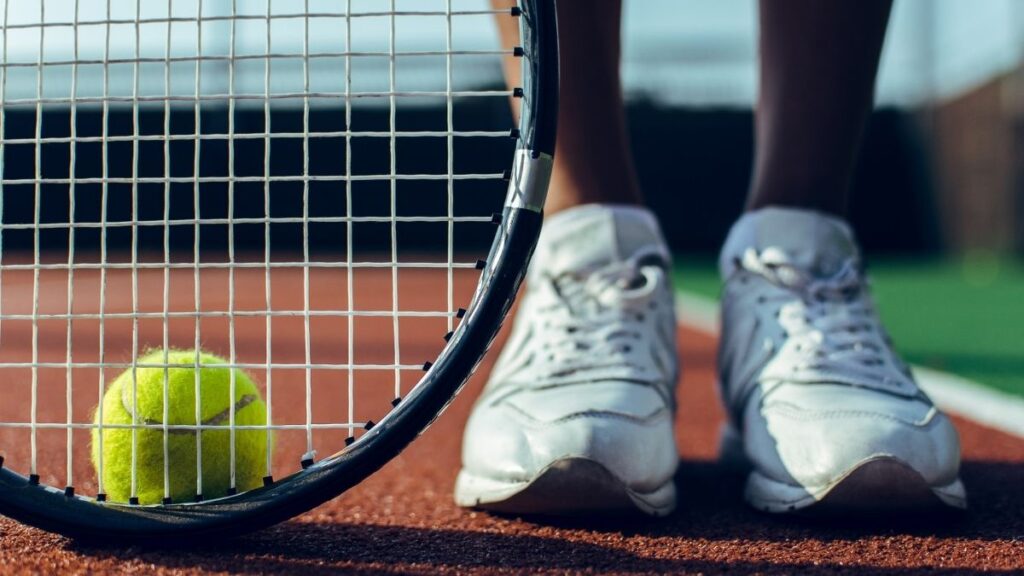
Playing on indoor hard courts presents a unique challenge to tennis footwear durability. Unlike softer clay or even grass surfaces, hard courts are relentlessly abrasive and unforgiving, ravaging shoe outsoles from the very first match. In 2025, the battle against premature outsole wear remains a determining factor for selecting the best tennis shoes tailored to these settings.
Consider the pounding footwork routine: sudden lateral cuts, explosive sprints, and friction-heavy pivots all wear away the bottom rubber. Manufacturers now focus on compounds like AOSTA rubber or other high-density blends engineered specifically to withstand constant abrasion. These materials don’t just extend shoe life; they provide the stable grip necessary to power rapid direction changes without skidding.
Non-marking outsoles are mandatory indoors to protect pristine court surfaces, particularly in professional venues or indoor facilities. Such soles prevent unsightly black scuffs while maintaining firm contact with the floor. Players often underestimate the importance of outsole tread patterns—while shallow, herringbone, or multi-directional grooves look similar, their subtle textures can make a world of difference in traction and durability under indoor lights.
For instance, New Balance’s NDurance rubber is a standout in resisting wear spots where players’ shoes typically degrade fastest. Similarly, the Adiwear compound featured on certain Adidas models manages to balance durability with lightweight flexibility.
In practical terms, players choosing shoes lacking these tread innovations risk wearing through the sole in mere weeks, a costly cycle of replacement paired with unpredictable grip loss leading to slips or falls. Conversely, investing in a shoe with a hard court-specific outsole ensures you not only protect your investment but gain confidence in every step.
- Durability considerations: Look for shoes labeled with “high-density rubber” or specific outsole technologies designed for hard courts.
- Non-marking features: Confirm outsole complies to indoor floor requirements to preserve court condition.
- Tread pattern: Select designs that enhance multidirectional grip for rapid lateral cuts.
- Wear testing evidence: Prioritize shoes proven through extensive real-court wear simulations or verified by expert players.
- Brand notes: Yonex and Under Armour shoes have made strides incorporating robust rubbers while keeping weight moderate.
| Brand | Outsole Material | Key Feature | Indoor Court Suitability |
|---|---|---|---|
| New Balance | NDurance Rubber | High abrasion resistance, non-marking sole | Excellent for indoor and hard courts |
| Adidas | Adiwear Compound | Lightweight durability and traction | Optimal for indoor hard surfaces |
| Yonex | Durable Rubber Blend | Grip enhanced for quick stops | Designed for intense court abrasion |
| Under Armour | Rubber Compound | Balanced durability and flexibility | Good for indoor multi-surface play |
Maximizing Lateral Support and Stability for Injury Prevention Indoors
Hard courts demand not only durability but also a shoe’s ability to guard the foot against unnatural twists and sprains. The lateral forces generated during aggressive side-to-side movements impose intense stress on ankles and knees. In the indoor arena where players push for precision and explosive reactions, lateral stability has become non-negotiable.
Modern shoes from leading manufacturers like Asics, Nike, and Mizuno incorporate cutting-edge features such as TPU shanks, internal Plantar Support Chassis, and reinforced midsoles that restrict excessive twisting while allowing natural foot flexion. These technologies funnel the body’s energy into controlled, safe movement—significantly reducing injury risk.
Stability also influences confidence in play. When players trust their shoes to maintain firm contact and brace the foot, they can focus on technique and strategic shot placement rather than worrying about slipping or rolling an ankle on the tight hardwood surface.
A frequent misstep lies in mistaking ultra-flexible shoes as ideal for comfort. While flexibility facilitates movement, a shoe that twists too easily often sacrifices necessary support, leaving players vulnerable. Instead, models rated for hard courts strike a careful equilibrium—allowing forefoot mobility yet securing a rigid midfoot and heel platform.
Consider the New Balance FuelCell models praised for integrating lightweight stability components without bulk. Similarly, Wilson’s offerings combine carbon fiber elements into the midsole to enhance torsional resistance. These engineering nuances cater directly to the explosive lateral stops and aggressive foot placements inherent to indoor tennis play styles seen in recent WTA indoor tournaments described at WTA Indoor Games News.
- Lateral support elements: TPU midsoles, shanks, heel counters.
- Fit features: Secure heel cups, firm arch support.
- Avoid shoes: Overly soft or twisting-heavy soles lacking reinforcement.
- Player feedback: Choose models favored by professionals for their stability during indoor events.
- Brands to watch: Asics and Wilson regularly update hard-court stability tech yearly.
| Feature | Benefit | Example Shoe Model | Brand |
|---|---|---|---|
| TPU Shank | Prevents midfoot torsion for stability | New Balance FuelCell 796 V4 | New Balance |
| Reinforced Heel Cup | Improves heel lockdown during lateral moves | Nike Zoom Cage 4 | Nike |
| Supportive Arch | Reduces overpronation risk | Asics Gel-Resolution 8 | Asics |
| Carbon Fiber Plate | Enhanced response and lateral rigidity | Wilson Rush Pro 3.0 | Wilson |
For comprehensive advice on essential tennis gear including shoes and grips, visit Tennis Accessories Guide.
Innovations in Cushioning and Fit for Long-Lasting Comfort on Hard Courts
With indoor hard courts relentlessly pounding runners’ joints, the demand for superior cushioning and ideal fit escalates in 2025. Performance gains no longer come at the expense of foot health thanks to advances from brands like Adidas, New Balance, and Under Armour that embed specialized midsoles and customizable fits into their shoe lineup.
Cushioning not only absorbs shock—it preserves player stamina during marathon rallies and subsequent matches. EVA foams, PU blends, and proprietary materials like NB’s FuelCell provide resilient springiness without compressing too quickly over time. To further reduce injury risk, insoles now frequently feature honeycomb or Ortholite-like structures that cradle the arch and improve energy return.
Fit is equally critical. Shoes must accommodate various foot widths while locking the foot securely. A shoe too narrow creates pressure points and blisters, especially as feet swell during indoor sessions under lighting and heat. Conversely, loose fits undermine stability and can exacerbate injuries. Models such as FitVille’s wide picks appeal to players needing expanded forefoot room without sacrificing grip or support. Such considerations provide comfort for players with bunions, plantar fasciitis, or unusual foot shapes.
Consequently, the ideal hard court shoe marries targeted cushioning zones with a breathable, moisture-wicking upper—often composed of engineered mesh or synthetic overlays to balance airflow with reinforcement.
- Materials used: EVA, PU, FuelCell foam, Ortholite insoles.
- Fit features: Wide toe boxes, adjustable lacing systems, cushioned collars.
- Breathability: Mesh uppers prevent overheating during intense play.
- Design choices: Balance between stiffness for support and softness for comfort.
- Examples: Adidas GameCourt 2 and New Balance 696 V6 highlight these innovations.
| Model | Cushioning Type | Fit Features | Target Player |
|---|---|---|---|
| New Balance 696 V6 | NDurance midsole and rubber | Adjustable laces, mesh upper | All-around indoor hard court players |
| Adidas GameCourt 2 | EVA midsole cushioning | Breathable mesh, padded collar | Players valuing lightweight comfort |
| FitVille Wide Pickleball/Tennis | Ortholite honeycomb insole | Most spacious toe box | Players with wide feet or foot conditions |
| Under Armour Charged Assert 9 | Charged Cushioning midsole | Firm heel counter, adjustable fit | Agressive movers requiring balance |
Proper foot mechanics also depend on the right socks and foot care—discover useful tips on Tennis Sock Insights.
Top Performance Picks: Leading Brands and Models for Indoor Hard Courts in 2025
In the fiercely competitive market of tennis shoes, 2025’s top performers blend legacy craftsmanship with technological breakthroughs. Here are the models that have risen to dominance in indoor hard court play, tested under rigorous conditions and favored by both amateur enthusiasts and seasoned pros.
- New Balance Men’s FuelCell 796 V4: Praised for its blend of responsiveness and durability, this shoe’s FuelCell foam and NDure upper combine to give confident grip and repelling wear, tailored for swift, powerful indoor games.
- Adidas Men’s GameCourt 2.0: Combining sustainable materials with the Adiwear outsole, this sneaker balances eco-conscious design with wide appeal among players needing breathability and cushioning.
- K-Swiss Hypercourt Express 2: Offering cutting-edge Surgelite cushioning and a trusted AOSTA 7.0 outsole, this shoe delivers top-tier support for both competitive training and tournament conditions.
- FitVille Men’s All Court Tennis Shoe: A budget-friendly wide fit shoe that doesn’t compromise on arch support or grip, ideal for recreational or new players venturing indoors.
- Wilson Rush Pro Series: Thanks to carbon fiber shanks and classic durability, Wilson solidifies its reputation with models that excel in lateral support and sustained grip on indoor courts.
| Model | Primary Benefits | Target User | Estimated Price Range |
|---|---|---|---|
| New Balance FuelCell 796 V4 | Responsiveness, durability, speed | Frequent competitive indoor players | $130-$160 |
| Adidas GameCourt 2.0 | Comfort, breathability, eco-friendly | Causal and intermediate players | $90-$120 |
| K-Swiss Hypercourt Express 2 | Support, cushioning, outsole longevity | Competitive amateurs and pros | $100-$140 |
| FitVille Men’s All Court | Wide fit, arch support, affordability | Recreational wide-footed players | Under $80 |
| Wilson Rush Pro | Lateral stability, carbon fiber shank | Serious indoor competitors | $140-$170 |
Each of these choices is backed by careful evaluation, balancing performance demands with practicality. Choosing between them depends on individual playing style, frequency, and foot shape, but all represent some of the finest options for indoor hard courts in 2025.
Smart Buying Strategies and Maintenance Tips for Longevity
Purchasing indoor hard-court tennis shoes isn’t just about picking the flashiest brand or the latest model. In 2025, savvy buyers use a calculated approach combining knowledge of personal needs, court conditions, and shoe technology to maximize value and performance.
Key considerations include:
- Assessing play frequency and intensity: Players who hit the court daily require more durable, high-performance shoes versus casual players who may prioritize comfort and value.
- Choosing fit over fashion: A well-fitted shoe that supports your unique foot anatomy will stave off injuries and improve on-court footwork efficiency.
- Inspect outsole and midsole tech: Look for proprietary cushioning foams like FuelCell or Charged Cushioning combined with rugged rubber outsoles designed to tolerate tough indoor surfaces.
- Try shoes late in the day: Feet swell with activity, so fitting shoes after practice or play ensures better accuracy in size choice.
- Break-in and cautious use: Wear new shoes indoors to sense potential hot spots and adjust to their feel before heavy competition.
- Regular cleaning and drying: Dirt and moisture threaten rubber grip and materials longevity. Brush soles and dry shoes fully between sessions.
- Timely replacement: Signs like tread erosion or diminished support during lateral movement show when it’s time to upgrade.
Ignoring these considerations often leads to premature wear, injuries, and subpar performance. Investing in quality indoor court shoes is a pathway to sharper agility, fewer injuries, and longer enjoyment of the game.
For a comprehensive primer on tennis essentials including club selection and coaching, explore Find Tennis Club & Coach to further enhance your journey.
| Tip | Reason | Best Practice |
|---|---|---|
| Test Shoes Late Day | Accommodate foot swelling | Try shoes after activity, with tennis socks |
| Wear-In Period | Identify hotspots early | Use indoors briefly before match day |
| Clean Soles | Maintain grip and durability | Brush after every play session |
| Dry Thoroughly | Prevent material breakdown | Air dry shoes away from heat |
| Replace Tread | Maintain performance and injury prevention | Change shoes when grip or support fades |