When stepping onto the indoor hard courts at La Défense Arena, the right pair of tennis shoes can transform your performance from decent to dominant. The indoor environment, combined with the unforgiving nature of hard courts, demands footwear that offers more than just style—it requires unmatched durability, exceptional support, and precise traction tailored for high-impact rapid movements. The delicate balance between cushioning and responsiveness becomes critical when every sharp lateral cut and explosive sprint could mean the difference between a match-winning shot and an injury. As 2025 defines a leap in tennis footwear innovation, players and enthusiasts must recalibrate their choices to match the evolving game.
The arena’s hard-court surface, usually coated acrylic or polished concrete, is notoriously abrasive, which quickly wears down inferior shoes and puts added strain on joints. This reality pushes brands such as Nike, Adidas, and Asics to pioneer advanced materials and tread designs that resist wear without compromising grip. Beyond technological advances, athletes and weekend warriors alike must recognize the importance of fit, cushioning, and stability—essentials that safeguard against the physical toll of intense play.
Indoor tennis is a game of agility, precision, and confidence, and the footwear chosen plays a silent yet profound role in shaping those attributes. With several models boasting unique cushioning systems like Nike’s Zoom Air or Asics GEL, and outsole patterns designed explicitly for indoor surfaces, the question is no longer just about picking a brand but finding the perfect synthesis of durability, comfort, and agility customized to individual playing styles and foot mechanics.
To guide players through this complex terrain, this detailed exploration dives into the heart of what makes the best tennis shoes for indoor hard courts, anchored around performance imperatives of La Défense Arena’s fast-paced atmosphere. Whether navigating rapid direction shifts, enduring rigorous rallies, or commanding court dominance, the right shoes enhance not only physical ability but also mental endurance—a crucial edge for any competitor.
This resource also taps into the latest insights on shoe technology, brand innovations, and practical tips to extend shoe life, all poised to elevate training and match-day experiences in one of Europe’s premier indoor tennis venues.
Essential Points at a Glance:
- Durability is critical: Shoes must withstand abrasive indoor hard courts, with reinforced rubber outsoles and toe guards.
- Shock absorption matters: Advanced midsole cushioning protects joints and maximizes comfort amidst relentless impact.
- Lateral support and stability are non-negotiable for quick side-to-side movement and injury prevention.
- Precision fit ensures comfort and performance, preventing pressure points and blisters.
- Rotate footwear to extend life and maintain consistent traction during frequent play.
- Trusted brands highlight quality technology from Nike, Adidas, Asics, New Balance, Wilson, Babolat, Head, Yonex, K-Swiss, and Mizuno.
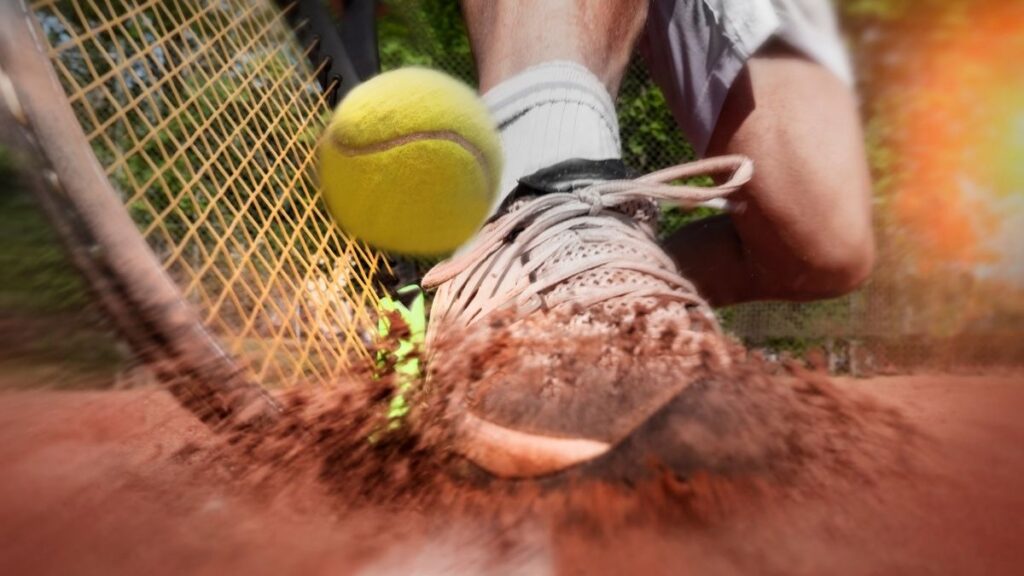
Durability and Outsole Innovations for Explosive Play on Indoor Hard Courts
Indoor hard courts are unforgiving surfaces that demand exceptional durability from tennis shoes. Unlike grass or clay, indoor acrylic or concrete courts constantly abrade shoe soles, accelerating wear and affecting grip and stability. Proper outsole technology is pivotal for both longevity and performance at venues like La Défense Arena where every sprint counts.
Modern tennis shoes employ specifically engineered soles featuring modified herringbone tread patterns that optimize traction while mitigating wear. High-density rubber compounds concentrate durability in seamlessly blended zones like the forefoot and heel, areas notorious for absorbing the brunt of forceful stops and starts. These reinforced areas help prevent early sole degradation, critical for maintaining exceptional court feel and preventing slippage.
For example, Nike’s Air Zoom Vapor Pro 2 integrates a specialized rubber outsole designed for rapid indoor play, providing a blend of grip and responsiveness. Similarly, Adidas’s Adizero Ubersonic 4 combines aggressive tread patterns with Adituff toe guards to safeguard against the repeated abrasion caused by sliding and abrupt shifts.
- Modified herringbone tread enhances multidirectional grip and supports controlled momentum.
- High-density rubber extends life span in impact zones.
- Toe guards defend against the common toe-dragging abrasion typical of aggressive play.
- Proper care such as regular cleaning after play and UV protection during storage maximizes outsole lifespan.
- Shoe rotation between sessions prevents tread flattening and sustains optimal traction levels.
Regular maintenance is frequently overlooked but plays a vital role; dirt and debris left on the soles can accelerate wear, while exposure to sunlight can degrade synthetic rubber compounds. Players aiming for longevity benefit from rotating two pairs of shoes to spread impact stresses and preserve outsole integrity. Brands like Adidas and Asics constantly innovate with abrasion-resistant materials, offering models praised for lasting through rigorous indoor seasons.
| Feature | Benefit | Example |
|---|---|---|
| Modified Herringbone Pattern | Optimizes traction and multidirectional movement | Nike Air Zoom Vapor Pro 2 |
| High-Density Rubber | Enhances durability in heavy wear areas | Adidas Adizero Ubersonic 4 |
| Toe Guards | Prevents damage from toe-dragging movements | Wilson Blade |
| Shoe Rotation | Extends outsole life and performance consistency | User protocol recommendation |
Midsole Cushioning: Absorbing Impact Without Sacrificing Agility
The relentless pounding of indoor hard courts sends shockwaves through a player’s body, necessitating superior midsole cushioning within tennis shoes. The right cushioning system preserves joint health, enhancing endurance during high-intensity rallies by reducing stress on knees, hips, and ankles.
While EVA foam remains foundational for impact absorption, the surge in proprietary technologies in 2025 elevates player comfort and performance. Nike’s Zoom Air units create responsive cushioning that reacts under pressure for quick bursts of speed. Adidas’s Bounce and Asics’s GEL systems isolate and dissipate shocks more effectively in high-impact zones, particularly during sudden stops and starts common indoors.
New Balance’s Fresh Foam Lav v2 highlights a tailored approach, blending plush Fresh Foam X cushioning with a snug bootie fit, co-developed with pro player Milos Raonic, to enhance comfort without dulling court feedback. This balance ensures that players retain agility and don’t experience the typical fatigue from hard surfaces.
- EVA foam offers stable baseline cushioning across all models.
- Proprietary cushioning systems target high-impact zones for enhanced shock absorption.
- Layered cushioning balances softness and court responsiveness.
- Improved endurance through reduced joint strain.
- Tailored fit complements cushioning to maximize comfort.
Choosing shoes with advanced impact protection not only safeguards against common injuries such as plantar fasciitis but also helps players maintain peak performance for longer practice sessions and matches. The combination of cushioning and responsiveness defines how players sustain competitive intensity within the fast-paced, unforgiving environment of indoor hard courts.
| Technology | Function | Brand Example |
|---|---|---|
| Zoom Air | Responsive, lightweight cushioning | Nike Air Zoom Vapor Pro |
| GEL Cushioning | Shock absorption in heel and forefoot | Asics Gel-Resolution 9 |
| Bounce Foam | Energy return and comfort | Adidas Adizero Series |
| Fresh Foam X | Plush cushioning with court feel | New Balance Fresh Foam Lav v2 |
Lateral Support and Stability: Securing Every Sudden Movement on Indoor Courts
The unforgiving pace of tennis on indoor hard courts demands shoes that resist lateral stress. Quick direction changes, bursts of acceleration, and abrupt stops expose feet and ankles to injury risk without proper stability and support. Superior lateral support is fundamental for maintaining balance and enabling confident court coverage.
Features such as reinforced sidewalls, TPU shanks to control torsional flex, and medial stabilizers to curb inward foot collapse are indispensable. Brands such as Asics with their Gel-Resolution 9 utilize Dynawall and Dynawrap technologies, delivering lockdown fits that hold players secure during rapid side-to-side moves. Wilson and Babolat also incorporate reinforced lateral structures to counteract the frequent abrupt shifts typical of indoor play.
Innovations have extended to lacing systems, with some shoes offering asymmetrical designs for a contour-hugging fit that reduces pressure points, enabling intense play without distraction. The emphasis on lateral reinforcement correlates directly with fewer sprains and improved stroke precision.
- TPU shanks stabilize torsion and prevent injury-causing twists.
- Reinforced midsoles maintain structural integrity during side movement.
- Medial supports prevent overpronation and foot collapses.
- Advanced fit systems like asymmetrical lacing increase lockdown and comfort.
- Lateral support enhances court confidence for aggressive play.
| Stability Feature | Benefit | Example Shoe |
|---|---|---|
| Dynawall & Dynawrap | Firm lockdown and side-to-side stability | Asics Gel-Resolution 9 |
| TPU Shank | Controls torsional movement for injury prevention | Babolat Propulse Fury |
| Reinforced Side Panels | Maintains shoe structure under lateral strain | Wilson Rush Pro 4.0 |
| Asymmetrical Lacing | Customized fit reducing pressure spots | Adidas Adizero Ubersonic 4 |
Fit and Comfort: The Science of Personalized Tennis Shoe Selection
While construction and technology are paramount, no shoe can perform well if it fails to fit seamlessly. Fit is more than selecting the correct size; it encapsulates how the shoe molds to individual foot shape, arch height, and toe alignment, all while providing freedom and minimizing pressure points.
Indoor courts, often colder with controlled climates, emphasize different comfort needs compared to outdoor play. Adidas’s sock-fit design in the Adizero Ubersonic 4, for instance, molds like a second skin to amplify court feel and precision. However, players with wider feet or high arches may favor K-Swiss or Mizuno models that offer roomier toe boxes and adaptable footbeds, preventing discomfort during extended competitions.
Proper fitting also extends beyond length and width measurements. Players are encouraged to:
- Wear tennis-specific socks when trying shoes to replicate true fit conditions.
- Simulate on-court movements in-store, including lateral lunges and quick pivots.
- Assess for hot spots or tightness and opt for padding or custom insoles if necessary.
- Choose models based on arch type – neutral, overpronator, or supinator needs vary greatly.
- Experiment with different lacing systems that relieve pressure and enhance lockdown.
Ignoring fit can lead to blisters, pain, and decreased stamina—dangers heightened on the unforgiving indoor surfaces. A properly fitted shoe acts as an extension of the player, facilitating fluid footwork and boosting confidence under intense match pressure.
| Fit Aspect | Player Consideration | Brand Model Example |
|---|---|---|
| Sock-like Fit | Maximum court feel and precision | Adidas Adizero Ubersonic 4 |
| Wide Toe Box | Accommodates wider or high-arched feet | K-Swiss Hypercourt Express |
| Custom Insoles | Personalized arch and pressure support | User specified |
| Asymmetrical Lacing | Minimizes pressure and improves lockdown | Nike Air Zoom Vapor Pro |
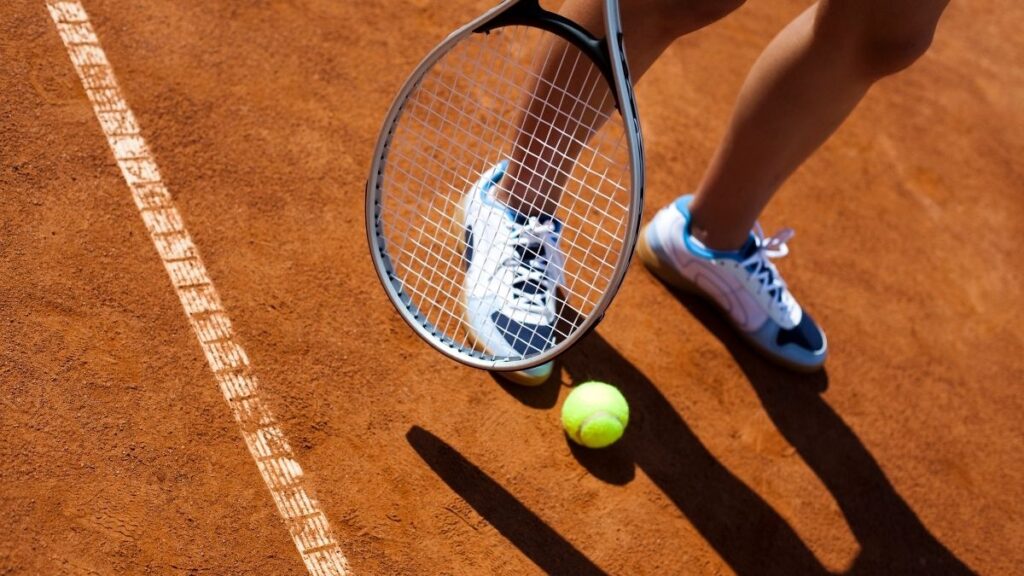
Smart Buying Decisions: Avoiding Common Mistakes When Choosing Tennis Shoes for Indoor Hard Courts
Choosing the right tennis shoes is a blend of identifying features, understanding personal needs, and avoiding pitfalls that compromise performance and comfort. The allure of versatility can lead to purchasing all-court shoes, which lack specialized durability and cushioning required for indoor hard court demands. This often results in premature shoe degradation and increased injury risk.
Another common mistake is prioritizing short-term savings over quality. Cheap shoes may skimp on cushioning, lateral support, and abrasion-resistant technologies, which undermines both comfort and safety. Trusted brands such as Yonex, Head, and Babolat set standards in quality gear built to endure months of rigorous play without sacrificing essential features.
Players must also acknowledge their unique foot mechanics. Overpronators, flat-footed players, and those with specific gait patterns require extra support, frequently necessitating custom insoles or specialized models. Neglecting these needs leads to poor biomechanics and chronic injuries.
Shoe lifecycle awareness is crucial. Indoor hard court shoes typically last between 45 to 60 hours of heavy play. Signs that it’s time for replacement include visible outsole wear, diminished cushioning, heel instability, and loss of midsole integrity. Maintaining a rotation of shoes helps preserve durability and consistent performance.
- Avoid all-court shoes that lack hard court-specialized features.
- Invest in quality shoes built for durability and support.
- Consider individual foot type and customize support as needed.
- Replace worn shoes promptly to maintain protection and traction.
- Rotate footwear for extended lifespan and performance consistency.
| Common Mistake | Consequence | Solution |
|---|---|---|
| Choosing All-Court Shoes | Poor durability and insufficient cushioning | Select hard court-specific models |
| Buying Cheap Options | Lack of support and quicker wear | Invest in reputable brands like Yonex and Head |
| Ignoring Foot Mechanics | Increased injury risk | Use custom insoles and specialized shoes |
| Delaying Replacement | Reduced protection and performance | Replace shoes every 45-60 hours of heavy use |
| Single Pair Usage | Premature sole flattening | Rotate at least two pairs of shoes |
For more detailed advice on choosing the perfect fit and sustaining shoe durability, readers are encouraged to explore shoe fitting guides and durability assessments. Combining informed purchasing with proper care will ensure players remain agile and protected on hard indoor courts throughout the season.