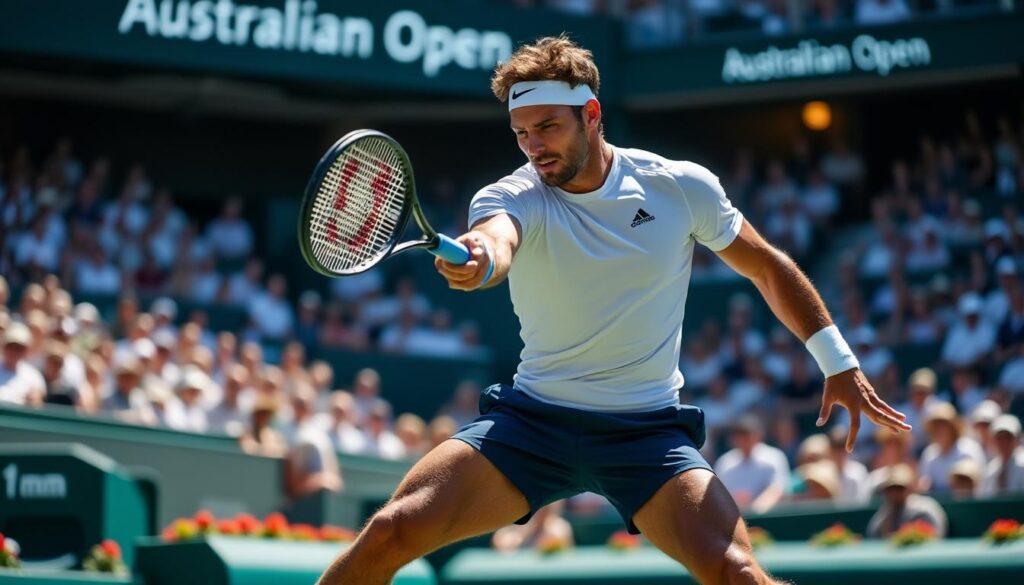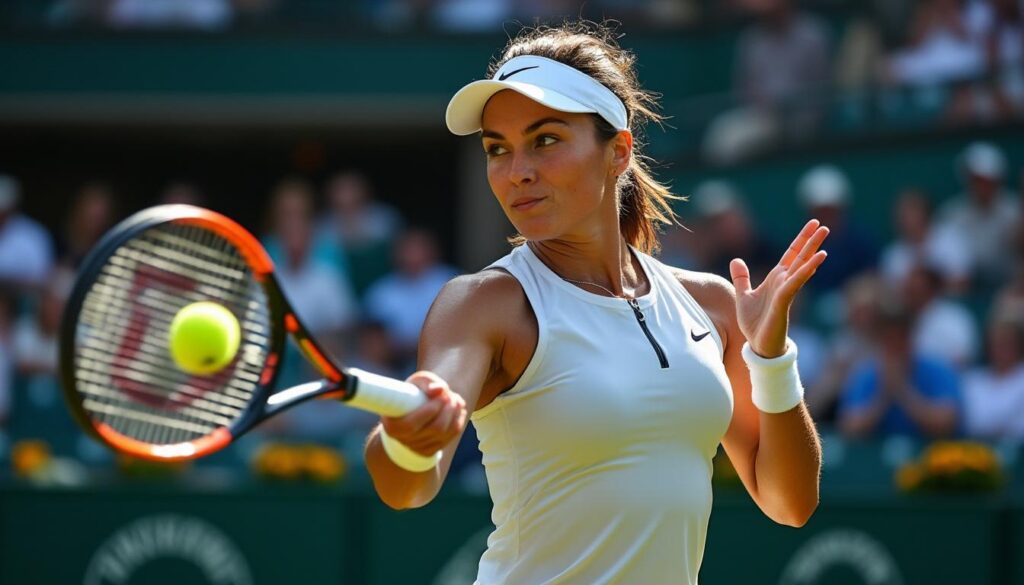
Winter 2025 marks an electrifying phase in the world of tennis rackets, where players from all levels are embracing a fresh wave of innovation and technology to sharpen their performance in 2026. As the season winds down, whispers in locker rooms and courtside chatter are dominated by the buzz around tennis racket models that promise to revolutionize the game. From precision-oriented control frames to power-packed designs optimized for spin and speed, the upcoming year aims to redefine what the best tennis rackets are capable of delivering.
The relentless march of tennis racket technology has spawned gear that syncs perfectly with the modern player’s aggressive baseline style and tactical finesse. The winter tennis gear upgrades are not mere tweaks—they represent significant leaps that many pro and club players are keen to capitalize on. This surge in adoption is fueled by detailed data and feedback showing how the right racket can translate into sharper serves, more explosive groundstrokes, and improved court movement.
With top tennis rackets like the new Wilson “Python” spin frame captivating big-name players such as Khachanov and rising stars like Learner Tien making bold switches, it’s clear the tennis equipment landscape is evolving rapidly. Meanwhile, legendary series such as the HEAD Speed 2026 line are pushing boundaries with enhanced stability and control, catering to diverse playing styles seeking optimal balance. This fervent environment pushes both casual and competitive players to reconsider their gear choices as winter sets the stage for a fresh season of triumphs and breakthroughs.
Among the most talked-about stories is Alexander Bublik’s switch to the Aero 98, showcasing how a racket can perfectly cradle an aggressive serve and crafty drop shots to elevate a player’s game to new heights. These narratives infuse the tennis community with anticipation and questions about which models will dominate the 2026 season.
For players hunting for guidance, keys pages filled with racquet recommendations and stringing tips light the way towards making informed decisions. As the courts get colder, the heat around upgrading tennis rackets grows more intense, setting the tone for an exciting year ahead in tennis.
Key Points in Focus:
- Pro players like Khachanov and Tien are switching to innovative tennis rackets this winter, signaling shifts in top tennis rackets for 2026.
- Wilson’s new “Python” spin racquet features cutting-edge string patterns appealing to aggressive baseline players.
- HEAD’s Speed 2026 line enhances control and stability, influencing racket choices for both ATP and WTA athletes.
- Players such as Casper Ruud and Madison Keys are making strategic racket modifications that align with their playing tactics.
- Understanding the latest tennis racket technology is crucial when selecting winter tennis gear to gain competitive advantage.
Why Tennis Players Are Switching to Innovative Tennis Rackets for 2026
The end of 2025 witnessed a flurry of activity among tennis professionals and amateurs alike, driven by an insatiable desire to harness the best tennis racket technology available. What’s fueling this transition to new tennis racket models? Several factors converge, from evolving playing styles to breakthroughs in racket materials and design.
Technological advancements in components like the Hy-Bor shaft—a highlight in the HEAD Speed 2026 series—have propelled rackets to new heights in terms of responsiveness and stability. This allows players to execute their shots with surgical precision and gain confidence under pressure. Players such as Ugo Humbert and Borna Coric experimenting with these models demonstrate the pro-level appetite for these upgrades despite challenges like injury recovery.
Wilson’s introduction of the “Python” spin racket stands out for its multi-pattern string setups, including the popular 18/20 pattern favored by Khachanov. This attention to customization accommodates players’ unique style preferences, blending power and finesse effortlessly through optimized string bed configurations. Young players like Tien switching from traditional Wilson Blade Pro frames to the Ultra Tour 98 reveal how innovative family lines can blend heritage with modern demands.
Off the court, players are meticulously analyzing their racket choices, factoring in grip balance, weight distribution, and vibration dampening technology to minimize physical strain and maximize shot-making efficiency. This holistic approach to tennis equipment really highlights the marriage of science and skill that defines competitive tennis today.
These dynamic developments underscore why staying updated on fall 2025 racket trends is essential for players aiming to elevate their game. Winter is no longer just a downtime period—it’s prime time to make critical gear decisions that could define the upcoming season.
The Role of Racket Technology in Elevating Player Performance
Exploring the link between top tennis rackets and player achievements, it becomes clear that the best tennis rackets 2026 will be those engineered for stability, power, and control. Racquets are no longer one-size-fits-all tools but precision instruments designed around biomechanics and surface-specific demands.
Consider the customization processes surrounding grip and balance to tailor rackets fully to the player’s hand and style—an emerging trend detailed in expert guides like racquet customization: grip and balance. Mastering these nuanced adjustments can drastically influence shot consistency and reduce fatigue during grueling matches.
Moreover, innovations in stringing machines and the refined use of vibration dampeners contribute significantly to comfort and control, refining the overall experience of popular tennis rackets. Consequently, players are better equipped to unleash killer serves and tactically outmaneuver opponents, reflecting studies on tennis biomechanics and mental training that shape effective serve accuracy and power generation.
As courts worldwide gear up for tougher matchups and faster rallies, players understand that their choice of winter tennis gear is a direct investment in future victories. This is vividly illustrated by cases like Casper Ruud’s late switch from the Yonex Ezone 100 Plus to the 98 Plus, a strategic move towards precision targeting rather than sheer power—a contrast to the usual player quest for brute force.
The Most Talked-About Tennis Racket Models Being Adopted This Winter
The tennis racket market for 2026 is witnessing fascinating player loyalty shifts to several standout models that blend tradition with modern innovation. Among these hot favorites is the Aero 98, preferred by Alexander Bublik. This frame supports his aggressive serve and drop shot tactics, serving as a perfect example of how backing from the right racket can elevate game strategy and rank ascension.
Wilson’s “Python” model, still under wraps with an exciting planned full launch, is generating buzz as a spin-centric beast already tested by players like Tsitsipas and Colton Smith. Its versatile string patterns provide a competitive edge by enabling tailored shot shaping and volley precision. This model’s anticipation is reminiscent of the hype around the HEAD Speed changes that continued to attract attention from players eager to mimic the success of Sinner and Alcaraz.
On the other hand, the Ultra Tour 98—often mistaken for a simple 100 sq. inch design—is actually a detailed, Japan-only frame with the rare 16/19 string pattern chosen by hard-hitters like Learner Tien. This switch exemplifies a strategic gear change correlating with Tien’s rise from near-200 ranking to a top 30 player within a season, showcasing how the right tennis racket can be a game-changer at any level.
In-depth reviews and comparisons, such as those found in best tennis rackets 2025, offer critical insights into these models’ strengths and target audience, helping both amateur and pro players make smart winter tennis gear investments. Ultimately, the blend of technological breakthroughs and customized player feedback continues to be the driving force behind these top tennis rackets.
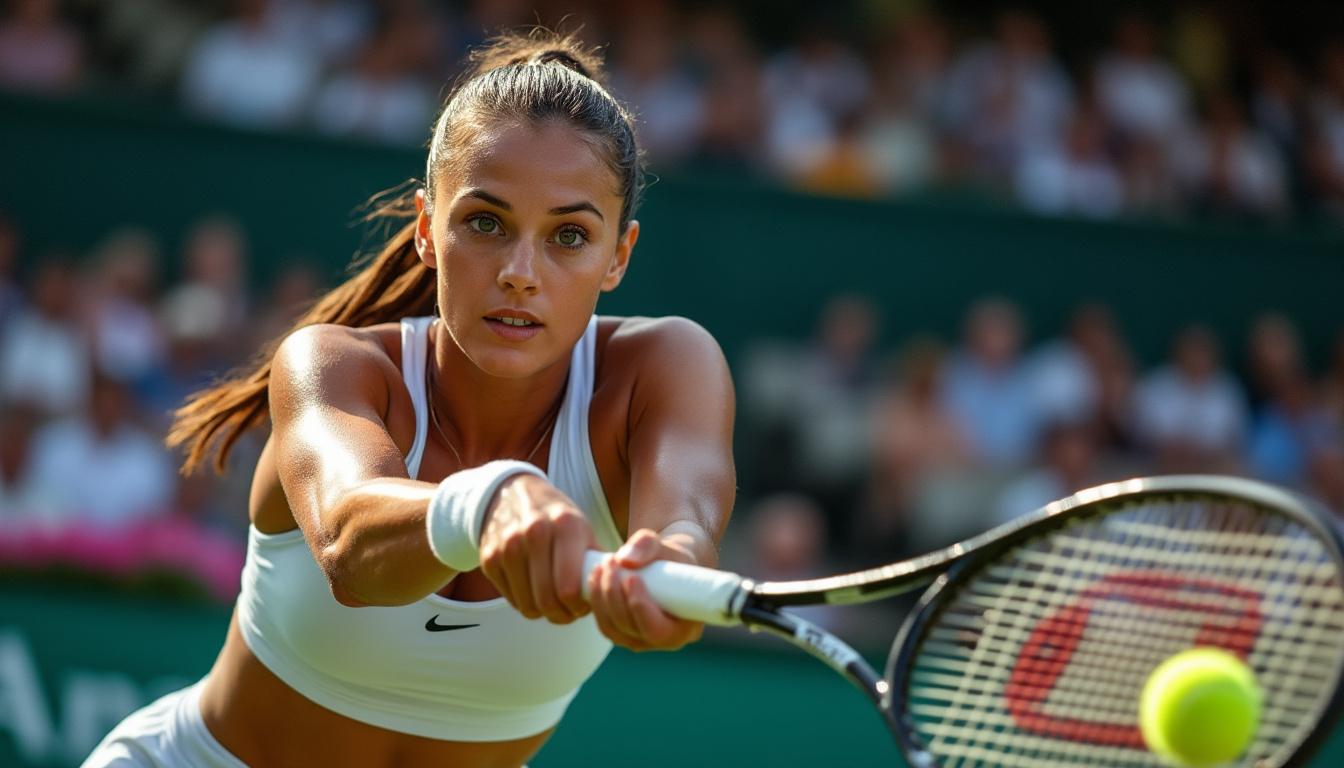
Winter Tennis Gear: How to Choose the Right Racket for Your Playing Style
Winter is the perfect time to reassess tennis racket choices and leverage newly unveiled technology to match your playing tactics and physical needs. Choosing the right tennis racket involves more than just brand loyalty—it’s about understanding what style of play you adopt and which rackets enhance your strengths.
If agility and control dominate your court coverage, models focused on low swing weight and enhanced maneuverability like the HEAD Speed 2026 series fit the bill. Players achieving success with this line demonstrate how staying light on your feet and having precise control spells match-winning advantage. Resources like footwork and agility ladder drills complement this gear choice by enhancing movement efficiency.
Alternatively, for heavy baseline hitters who rely on topspin and power, Wilson’s spin-oriented “Python” and Yonex VCORE provide a substantial boost. The string patterns and frame stiffness encourage explosive rallies and refined ball spin, crucial in controlling fast exchange scenarios. Selecting oversized heads or mid-sized frames also caters to varying swing velocities, helping to tailor rackets to individual physical attributes.
Occasionally, players contemplate racket size shifts as seen in Casper Ruud’s move down to a 98 sq. inch frame for sharper shot placement. While many chase power, Ruud’s tactical adaptation shows that precision in tennis equipment is often the key differentiator at elite levels. Such tactical play in relation to court geometry remains a compelling topic explored further in court geometry and tactical play.
Incorporating grip adjustments and exploring advanced stringing techniques, as detailed in tennis stringing machines, allows winter gear selections to extend beyond initial impressions. Players who invest time and knowledge in these areas find themselves gaining valuable edge as the competition heats up.
Checklist: Essential Factors When Selecting Top Tennis Rackets for Winter
- Playing Style: Power baseliner, serve-and-volley, or all-court player?
- Racket Head Size: Larger heads offer more power, smaller heads allow precision.
- Weight & Balance: Finding the sweet spot between maneuverability and stability.
- String Pattern: Open patterns for spin, dense patterns for control.
- Grip Customization: Comfort and injury prevention through personalized grips.
- Material Innovations: Carbon composites, vibration dampers, flexible shafts.
Breaking Down the Game: Pro Racket Switches Shaping Tennis in 2026
It’s a rare sight to witness mass racket switches in the ATP and WTA top 10, as pro athletes often rely on long-term equipment familiarity. Still, notable shifts in the 2025 season have set the stage for a potentially disruptive 2026 gear landscape.
Alexander Bublik’s switch to the Babolat Aero 98 and Khachanov’s pioneering use of Wilson’s “Python” spin frame exemplify how players are purposefully leveraging new tennis equipment to enhance specific tactical elements—serve power, spin generation, and shot variety. Stories like Tien’s leap from the Wilson Blade Pro to the Ultra Tour 98 underline the rising synergy between modern racket technology and performance breakthroughs.
Other pros, including Casper Ruud, have quietly adjusted their gear specifications, trading the powerful Yonex Ezone 100 Plus for a more control-oriented 98 Plus frame. Madison Keys boldly switched from Wilson Blade to Yonex’s Ezone 98, reaping major rewards such as a first Grand Slam title post-transition, illustrating that equipment change can spark dramatic success.
Meanwhile, players like Alexander Zverev and Daniil Medvedev maintain a cycle of experimentation with string tensions and racket models, emphasizing that even the elite seek constant refinement. This dynamic environment is well documented in sources like injury updates and pro racquet changes that shed light on athlete gear choices intertwined with health.
| Player | Previous Racket | New Racket | Impact on Game |
|---|---|---|---|
| Alexander Bublik | Babolat Aero Pro Drive | Babolat Aero 98 | Enhanced serve and drop shot finesse |
| Karen Khachanov | Wilson Blade Pro | Wilson “Python” Spin Frame | Improved spin and string pattern versatility |
| Learner Tien | Wilson Blade Pro | Wilson Ultra Tour 98 (custom) | Significant rise in ranking, better control |
| Casper Ruud | Yonex Ezone 100 Plus | Yonex Ezone 98 Plus | Focused precision, smaller targeting |
| Madison Keys | Wilson Blade 98 | Yonex Ezone 98 | Increased power, slam victory |
Players testing rackets like the Wilson Python are already making headlines and creating waves that promise to redefine competitive tennis. Enthusiasts eager to track tactical innovations continue to find invaluable insights in the latest tennis tech gadgets reports, highlighting how equipment evolution shapes match outcomes.
Meanwhile, the HEAD Speed 2026 series stands out as a beacon for players craving a blend of power and control, inspired by breakthroughs from ATP stars. The continuous interplay of player preferences, technology improvements, and tactical demands ensure that the 2026 tennis season will be as gripping as ever.
What factors should players consider when switching tennis rackets?
Players should evaluate playing style, racket weight, balance, grip comfort, string pattern, and material innovations. Understanding these elements ensures the racket suits their game and physical needs.
How has racket technology evolved for the 2026 season?
New technologies like the Hy-Bor shaft in HEAD rackets and advanced string patterns in Wilson’s spin machines offer improved stability, power, and customization, allowing players to optimize performance.
Are bigger racket heads better for beginners?
Larger racket heads offer a bigger sweet spot, making it easier for beginners to hit powerful and consistent shots, but ultimately racket fit should match player comfort and playing style.
Which professional players have made significant racket switches recently?
Players like Alexander Bublik, Karen Khachanov, Learner Tien, Casper Ruud, and Madison Keys have all made noteworthy switches impacting their playing styles and results.
Where can players find guidance on selecting new tennis rackets?
Resources like TennisGuide.net offer comprehensive advice on racket technology, customization, and top tennis rackets recommendations to help players make informed gear decisions.