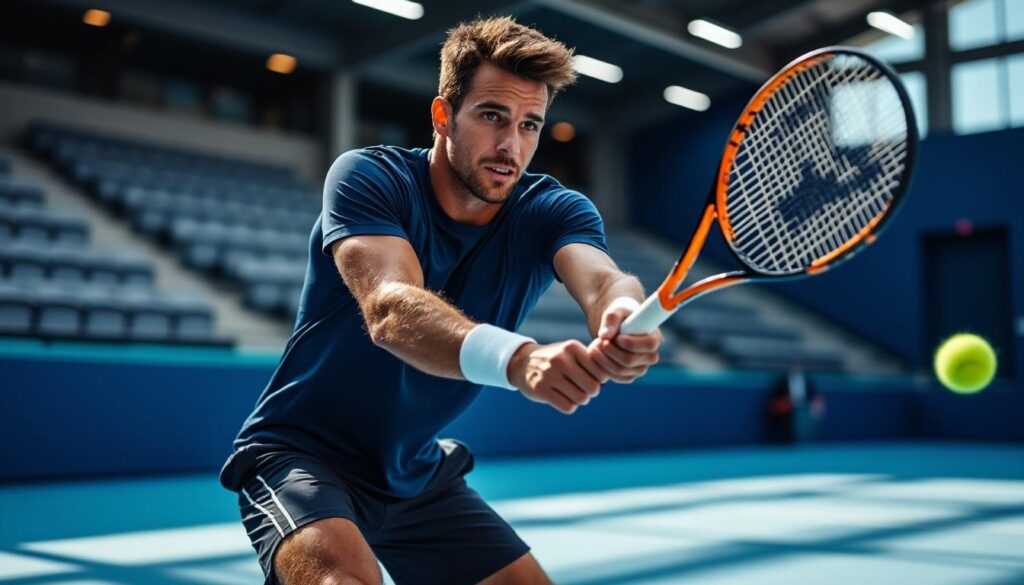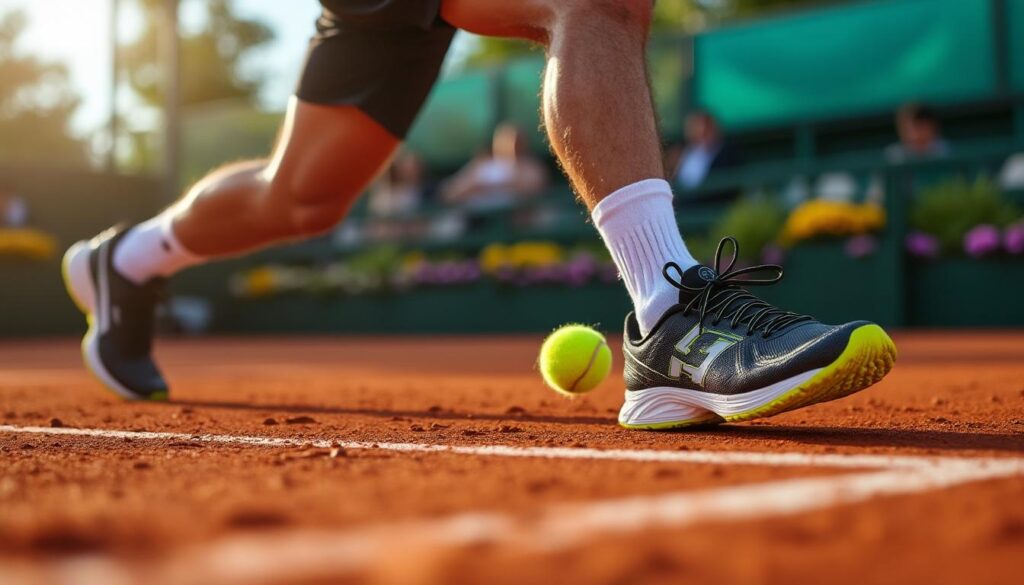
As the November 2025 tennis calendar shines over the South American swing, players encounter a unique set of challenges played out on the iconic red clay courts. This surface demands more than just skill—it requires specialized gear, particularly when it comes to footwear. Clay court shoes have become indispensable for those serious about mastering traction and support amid the unpredictable slide and dust of these courts. With advances in shoe technology and tailored design strategies, athletes now have optimal options to elevate their court performance and endurance under the sweltering South American sun.
In the fierce contest between grip and glide, clay court shoes strike a delicate balance. Unlike hard courts that reward brute force and stability, clay requires a shoe that embraces lateral stability while facilitating smooth, controlled slides. This November season, players and enthusiasts alike must understand these nuances to select shoes that match both their style of play and the demands of the clay surface. Moreover, durability stands as a critical factor, considering the abrasive nature of prolonged play and the need for footwear that withstands the rigors of tournament pressure and training sessions in the region.
Recent insights derived from the South American clay swing reveal trends and preferences that not only reflect the climate and court conditions but also anticipate the evolving player mechanics in late 2025. Brands such as Asics, Nike, and Adidas have pushed boundaries, integrating innovative materials and designs that respond to the requirements of traction and support, ensuring athletes maintain their competitive edge. This shoe guide dives into these developments, analyzing top contenders and breaking down their features to equip players with knowledge that can transform their game on clay.
The journey through clay court shoe selection is multi-faceted, encompassing outsole patterns optimized for sand and dust, midsoles that cushion intense lateral movements, and uppers designed to keep the inside of the shoe free of debris without sacrificing breathability. Drawing from the drama-packed South American swing, where every step and slide counts, this guide covers these technical elements while highlighting their practical impact on comfort and court agility.
In a tennis season defined by transition and surface adaptation, the footwear choices made here echo beyond the courts, influencing injury prevention, playing style confidence, and the player’s overall connection with the game. For newcomers and seasoned competitors alike, understanding what distinguishes a clay court tennis shoe in November 2025 is essential to staying ahead in the sport’s competitive narrative.
In Brief:
- Clay court shoes specialize in traction and lateral stability to handle the unique sliding dynamics of red clay.
- Outsole tread patterns, especially the herringbone design, ensure debris release and consistent grip during rapid movements.
- Support systems in midsoles and uppers enhance comfort and reduce injury risks amid intense South American swing matches.
- Durability balances lightweight construction and abrasion resistance, tailored for clay’s softer yet demanding surface.
- Top 2025 picks by major brands incorporate technology optimized for both professional competition and club play on clay courts.
- Shoe colors and upper design cater to practical considerations such as dirt concealment and prevention of clay intrusion.
- Players’ frequency of clay court play and budget influence when investing in specialized footwear.
Distinctive Traction Features of Clay Court Shoes in November 2025
The heart of any clay court shoe lies in its traction capabilities, which must accommodate the unpredictable skid and slide inherent to the South American swing tournaments. Manufacturers focus on the outsole design, typically favoring a herringbone tread pattern for its ability to channel and release clay particles, maintaining reliable grip without clogging.
This repeating zigzag motif extends over the entire sole, permitting quick lateral shifts and forward bursts without compromising lateral stability. Players appreciate the predictable and consistent traction, which transforms potential slips into controlled slides—crucial for maintaining momentum during grueling five-set matches common on clay.
While other tread patterns exist, the herringbone design remains predominant, due to its superior performance in the variable conditions posed by clay. Without this, accumulated clay between tread grooves can severely diminish grip, causing sudden, game-changing slips. Clay court shoes have, therefore, taken a more aggressive approach in tread depth and groove width, adapted to the fine consistency of South American courts.
Key traction elements to consider:
- Full-length herringbone propulsion for multi-directional stability
- Self-cleaning grooves to prevent clay buildup
- A rubber compound mix that balances softness for grip and hardness for durability
- Outsole wraps on edges for enhanced side-step security
To aid players during matches, a simple but invaluable tip is to tap shoes against the court or use a racquet’s edge to dislodge excess clay, ensuring the longevity of their traction throughout the event.
| Traction Feature | Purpose | Impact on Clay Court Performance |
|---|---|---|
| Herringbone Tread | Optimal grip and slide facilitation | Maintains consistent traction, allowing confident lateral slides |
| Self-Cleaning Grooves | Clay release to avoid slippage | Prevents traction loss during intense rallies |
| Rubber Compound | Balance of traction and durability | Provides both grip and endurance over competitive matches |
| Outsole Edge Wrapping | Improved side-step stability | Supports explosive lateral movements without loss of control |
Understanding these traction nuances can dramatically improve how players approach their footwork and slide management during the demanding South American clay tournaments in late 2025. For more details on shoe treads and their performance across surfaces, players are encouraged to explore the comprehensive shoe sole types guide.

Support Technologies Shaping Court Performance on Clay
Precision and protection take center stage when discussing support in clay court tennis shoes. The shoe must handle abrupt lateral movements, pivots, and stops that define clay court tennis, without sacrificing comfort or durability.
Several shoe features work in tandem to provide lateral stability and shock absorption:
- Twisstruss systems prevent midfoot twisting, a critical injury-prevention mechanism, especially during aggressive court coverage.
- Gel shock-absorbers in the heel and forefoot mitigate impact stress, preserving joint health over long tournaments.
- Ortholite insoles add a layer of cushioning that balances comfort with responsiveness, adapting to player movement and foot shape.
- Dynamic lacing systems customize fit, enhancing lockdown and preventing calf or heel slippage.
- Reinforced toe guards combat abrasion while stabilizing the front of the foot during forward lunges and slides.
Equally important is the structure of the upper to shield the foot from clay intrusion while maintaining breathability. Tight-knit mesh combined with TPU overlays ensures durability while preventing distracting dirt from entering the shoe’s interior, a common issue during South American clay events.
| Support Feature | Benefit | Effect on Competitive Play |
|---|---|---|
| Midfoot Twisstruss | Prevents shoe torsion | Enhances stability during aggressive lateral moves |
| Gel Cushioning | Absorbs shock | Reduces joint fatigue and injury risk |
| Ortholite Insoles | Comfort and moisture management | Improves lasting comfort over extended rallies |
| Dynamic Fit Lacing | Customizable lockdown | Improves foot security, minimizing slippage |
| Reinforced Toe Cap | Abrasion resistance | Boosts shoe longevity and toe protection |
When selecting clay shoes in November 2025, players competing on the South American circuit are urged to prioritize models delivering a harmonious balance between support and mobility. This equilibrium prevents injuries and optimizes energy transfer during play.
For a broader understanding of tennis shoe importance in play dynamics, readers can refer to the detailed insights on why proper tennis shoes matter for performance and injury prevention.
Comparing Clay Court Shoes with Hard Court Models
Clay and hard courts pose different physical challenges, necessitating contrasting shoe designs to maximize performance and durability. Understanding these differences is integral to making an informed investment, particularly for players who transition between surfaces during their season.
Outsole characteristics: Clay court shoes utilize softer rubber compounds allowing better grip and slide control on the softer red surface. The herringbone pattern prevents buildup of dust and clay. Hard court shoes, conversely, are made with tougher rubber and diversified tread patterns to withstand the abrasive nature of asphalt and concrete.
Cushioning and comfort: Hard court shoe midsoles often emphasize shock absorption to protect joints from the harsh surface impact. Clay court shoes might be lighter with moderate cushioning, prioritizing agility and lateral stability over maximal shock absorption. This reflects the less jarring nature of clay but demands different energy return dynamics.
Ventilation and upper design: Clay court shoes tend to have more closed uppers or tightly woven mesh to reduce clay intrusion, which may slightly reduce breathability compared to the open mesh typically preferred in hard court shoes due to less dirt concerns.
- Clay shoes favor slip-resistance and flexibility for slides and sudden stops
- Hard court shoes focus on durability and impact shock protection
- Hybrid shoes attempt to balance between these, offering versatility for all-court players
| Feature | Clay Court Shoe | Hard Court Shoe |
|---|---|---|
| Outsole Tread Pattern | Herringbone for debris release and traction | Durable rubber with multi-directional grip |
| Rubber Compound | Soft and flexible | Harder and more durable |
| Cushioning | Moderate, prioritizes lateral support | High, absorbs impact shocks |
| Upper Ventilation | Tight-knit mesh to block clay | Open mesh for breathability |
| Durability | Less abrasion-resistant | Highly abrasion-resistant |
When planning a competitive schedule that includes surfaces like clay and hard courts, consider a dual-shoe strategy or opt for hybrid shoes designed to perform acceptably across multiple terrains. Details on court-specific techniques and footwork adaptations are further elaborated in sources dedicated to hard court tennis techniques and clay court tips.
Top Clay Court Shoe Picks Inspired by the South American Swing
Analyzing player feedback and expert reviews from recent tournaments in South America illuminates the top clay court shoes dominating November 2025. The convergence of traction, support, and endurance features has propelled several models into the spotlight.
- Asics Court FF 2 Clay Edition: Known for its FlyteFoam midsole and Gel cushioning system, it offers unmatched shock absorption and lateral support, crucial for the rigorous demands of the clay surface.
- Nike Air Zoom Vapor Pro Clay: Lightweight and stable, featuring a full-length herringbone outsole integrated with Nike Zoom Air cushioning that responds dynamically to every movement.
- Adidas SoleCourt Boost Clay: Offers impressive durability with a reinforced upper and Boost technology maximizing energy return and court responsiveness.
- Asics Gel Resolution 8 Clay: Merits attention for its dynamic fit and Gel cushioning combining comfort with enhanced resilience.
- Adidas Adizero Ubersonic 3 Clay: Stands out for its blend of minimal weight and TPU footframe, delivering speed and security in fast-paced rallies.
| Shoe Model | Weight (Men’s) | Weight (Women’s) | Key Technology | Core Strength |
|---|---|---|---|---|
| Asics Court FF 2 | 14.8 oz (10.5 US) | 12.4 oz (8.5 US) | FlyteFoam, Gel Cushioning, Twisstruss | Optimal support and shock absorption |
| Nike Air Zoom Vapor Pro | 12.9 oz (10.5 US) | 11.0 oz (8.5 US) | Phylon EVA, Zoom Air, Herringbone sole | Lightweight responsiveness and traction |
| Adidas SoleCourt Boost | 15.7 oz (10.5 US) | 13.7 oz (8.5 US) | Boost midsole, Adiwear outsole, TPU frame | Durability and energy return |
| Asics Gel Resolution 8 | 14.7 oz (10.5 US) | 12.7 oz (8.5 US) | Gel cushioning, FlyteFoam, PU overlays | Comfort with enhanced stability |
| Adidas Adizero Ubersonic 3 | 14.3 oz (10.5 US) | 11.0 oz (8.5 US) | SprintFrame, Primeknit, Dyneema fibers | Speed and lightweight stability |
Choosing the right shoe depends on playing style and foot shape, but these models reflect the cutting-edge implementations of traction and support vital for the clay circuit. Enthusiasts interested in exploring more detailed comparisons and player reviews are encouraged to visit the extensive tennis shoe reviews for 2025.
Maintenance and Durability Considerations for Clay Court Tennis Shoes
Proper care of clay court shoes extends their lifespan and ensures consistent performance, especially critical in a demanding schedule such as the South American swing. Given the unique surface challenges, adhering to an effective maintenance routine preserves traction and support features.
Key maintenance tips include:
- Immediate cleaning post-match: Remove clay dust with a soft brush to prevent clogging outsole grooves, ensuring continued traction.
- Use of damp cloth wipes: For uppers and midsoles, protecting materials from abrasive wear and moisture damage.
- Avoiding direct heat: Let shoes air dry naturally to preserve material integrity and prevent warping.
- Regular inspection: Check tread depth and midsole responsiveness monthly, replacing shoes before critical wear affects performance or elevates injury risk.
While clay is gentler on soles compared to hard courts, persistent play still wears rubber compounds and cushioning materials over time. Players traveling through the South American clay swing often carry backup pairs to rotate, extending shoe life and comfort.
| Maintenance Task | Frequency | Purpose |
|---|---|---|
| Cleaning outsole grooves | After each match | Preserve traction and remove clay buildup |
| Upper material cleaning | Weekly or after heavy play | Maintain durability and breathability |
| Drying shoes | After each clean | Prevent material degradation |
| Regular inspections | Monthly | Identify wear and decide on replacement timing |
Players interested in a deeper dive on tennis shoe durability and the science behind outsole wear and tear should consult materials available on long-lasting tennis shoes and related gear at tennis shoe durability insights.
Why is the herringbone tread pattern essential for clay court tennis shoes?
The herringbone tread allows players to slide effectively while providing reliable grip, and it prevents clay buildup by facilitating natural debris release from the sole. This traction pattern is crucial for stability and injury prevention on clay courts.
Can hard court tennis shoes be used on clay courts?
Hard court shoes offer adequate traction thanks to durable rubber, but they lack the optimized treads of clay court shoes. While usable occasionally on clay, they may provide less slide control and increased chances of slipping during fast lateral movements.
What features help prevent clay from entering tennis shoes?
Tightly woven or knit uppers combined with protective overlays reduce clay entry into the shoe. This design maintains comfort and prevents distractions caused by clay inside the shoe, important during intense matches on dusty courts.
How often should clay court tennis shoes be replaced?
Depending on frequency of play, shoes should be replaced once outsole tread wears down or cushioning responsiveness diminishes noticeably, typically after 6 to 12 months for regular players.
Are lightweight clay court shoes less durable?
Lightweight designs aim to balance comfort and speed with durability through reinforced materials in critical areas. Modern technologies allow clay court shoes to remain durable despite reduced weight, but all shoes show wear over time with regular use.