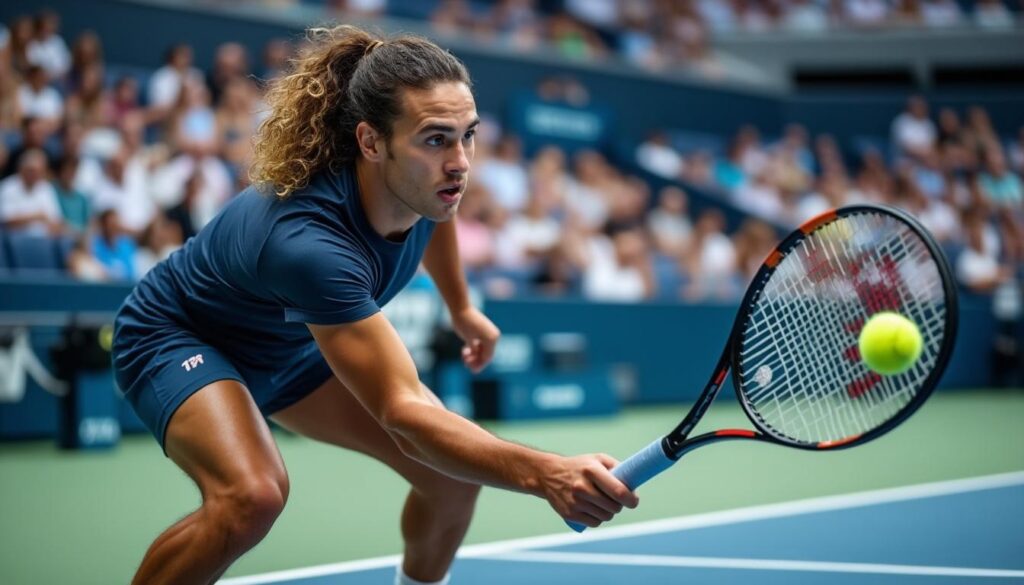
For players stepping into the world of competitive tennis, the challenge of enduring the full stretch of a long five set match is both a physical and mental battlefield. With grueling rallies, relentless pace, and pressure-cooker moments that stretch beyond two or three hours on court, the ability to sustain high-level performance becomes the very edge separating winners from those who falter. As the tennis calendar heats up towards the final months of the year, building endurance and mastering the science of fitness training tailored for long matches shifts from optional to essential.
This journey to enhanced stamina involves embracing more than just hitting the court; it calls for a multifaceted approach blending cardio workouts, strategic athletic conditioning, and razor-sharp match preparation. Each aspect holds a key to unlocking consistent energy management, enabling athletes to outlast opponents through five intense sets. Drawing inspiration from the fierce battles witnessed in recent match highlights and the tactical drills shaping top contenders, this article drills down into the fitness methods that energize today’s tennis warriors for endurance on the big stage.
Whether striving for a marathon match victory or aiming to keep pace with elite players during the climax of Grand Slam battles like the Australian Open, understanding how to optimize body and mind for the demands of five set matches never gets old in a sport where every point can turn the tide of history.
Endurance Training Strategies for Long Five Set Matches
When it comes to conquering extended five set matches, endurance isn’t built overnight—it’s forged through disciplined, targeted training that pushes the body’s limits and refines its recovery. Core aspects include cardiovascular development, muscular stamina, and energy system efficiency. These elements combined create the foundation for sustained performance across multiple hours on court.
Elite players incorporate a variety of cardio workouts, such as interval training and long steady-state runs, which increase oxygen capacity and muscle endurance. Interval training alternates bursts of high-intensity effort with recovery phases, mimicking the stop-and-go rhythm of tennis rallies. Long steady-state running, meanwhile, strengthens the cardiovascular base essential for lasting energy reserves.
Furthermore, training regimens focus heavily on drills that simulate on-court demands. For example, endurance conditioning drills emphasize movement patterns, footwork, and rapid direction changes that exhaust the muscles in a tennis-specific way. These drills prepare the body to handle the physically punishing moments where every sprint and slide counts.
Muscular stamina is equally vital. Strength training tailored to tennis targets the lower body to sustain explosive movement, and the upper body to maintain shot power without fatigue. Offseason conditioning programs that focus on both power and endurance are shaping players’ capacity to fight through pain barriers that once forced premature fades in long matches. These plans align with what is now considered best practice in the lead-up to seasons focused on hard court events and Grand Slam endurance challenges. Exploring offseason conditioning for power yields insights into how strength and stamina training complement each other.
The science behind energy management is also revealing in terms of nutritional support and pacing strategies integrated within training. Athletes and coaches collaborate closely to develop personalized plans that maximize glycogen stores and optimize hydration, ensuring players cross the threshold into a sustainable state of physical readiness that prevents energy crashes during decisive final sets.
Ultimately, the road to five set mastery relies on a blend of scientifically-designed workouts, tennis-specific endurance conditioning, and targeted recovery protocols. The knowledge continues to evolve, offering players and coaches an ever-expanding toolkit to increase durability in the relentless arena of tennis.
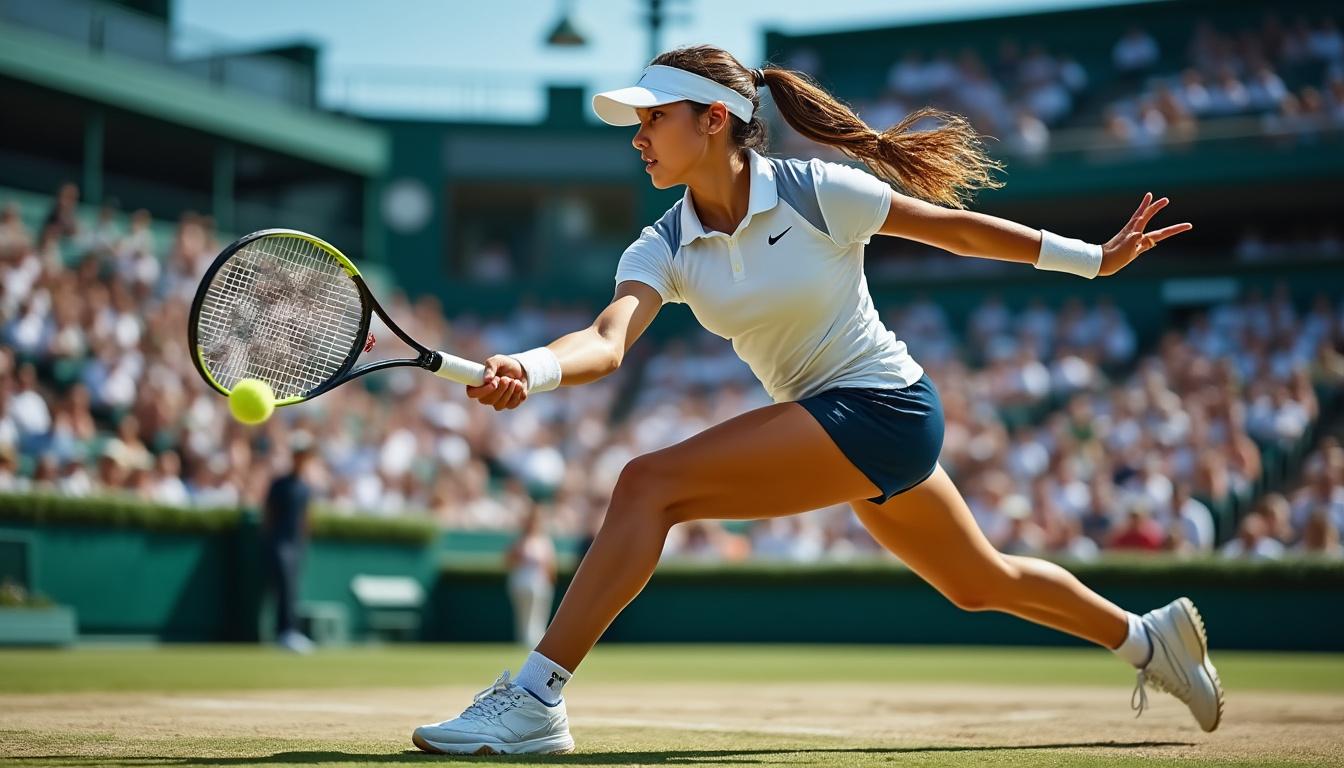
Athletic Conditioning Essentials for Superior Stamina in Long Matches
Five set matches demand more than just fleeting speed—they require a comprehensive physique that melds cardiovascular fitness with muscular endurance and neuromuscular efficiency. Athletic conditioning programs designed for tennis players today address these intricate demands with cutting-edge training methodologies that are part endurance, part explosive power production.
First, cardiovascular conditioning is tailored through diverse formats like fartlek runs, tempo sessions, and cross-training modalities such as cycling or swimming to reduce overuse injuries while enhancing lung capacity. Each method contributes differently — fartlek builds adaptability, tempo trains sustained threshold effort, and cross-training preserves freshness during intense cycles.
The role of strength exercises cannot be overstated. Functional movements that reinforce the core and leg strength — such as squats, lunges, and plyometric drills — enhance resilience to the repetitive loads of running and directional changes on court. This integrated approach ensures powerful serves and shots are maintained through marathon rallies.
Modern conditioning also incorporates balance and agility drills to fine-tune reaction times and stability. Quick lateral movements prevent injuries caused by instability in aggressive on-court maneuvers, key to maintaining relentless pressure on opponents over long timeframes.
Innovations in recovery science form an essential pillar. Techniques like contrast baths, compression therapy, and advanced foam rolling help players bounce back swiftly between long matches or intensive training days. Many professional setups now embed these recovery methods as sacrosanct daily rituals.
As tennis evolves, so too does the emphasis on periodized conditioning blocks that cycle players through phases of building volume, intensity, and recovery. Following a carefully planned progression, such as preseason training blocks, ensures peak performance arrival without burnout.
Consistent monitoring of physiological markers informs these programs, where heart rate variability and lactate threshold measurements help fine-tune individual workloads. This data-driven approach minimizes overtraining risks and maximizes adaptations essential for enduring the physical and psychological grind of five set matches.
Match Preparation Techniques to Harness Endurance and Mental Fortitude
Stamina on court isn’t solely a physical attribute—it’s as much about mental readiness and tactical discipline. Pre-match preparation for long five set matches involves acute attention to strategy, psychological endurance, and recovery protocols.
Match preparation starts days before the contest. Players adopt routines to synchronize their circadian rhythms for peak alertness. Nutrition plans emphasize balanced macronutrients aimed at sustaining energy release over several hours versus quick highs that may crash mid-match. Hydration strategies are tailored to individual sweat loss metrics.
On the tactical front, players and coaches design game plans that conserve energy intelligently by mixing aggressive hitting with controlled rallying. This attention to energy management prevents unnecessary bursts that can rapidly drain stamina reserves. Employing match preparation tips focused on sustainability, like recognizing opportunities to shorten points or create forced errors, pays dividends in five set duels.
In the mental arena, visualization and mindfulness techniques are gaining traction. Players mentally rehearse enduring taxing rallies and visualize maintaining composure in pressure points deep into the match. These psychological tools bolster resilience, turning the tide in the grueling final sets.
Post-match recovery also becomes a decisive factor in building sustained stamina through tournaments. Active recovery methods such as light cycling, stretching, and contrast showers are commonplace, easing muscle stiffness and facilitating faster energy system replenishment.
Preparation routines extend to clothing and equipment choices, with lightweight, breathable fabric innovations enhancing mobility and thermoregulation. Latest advancements in tennis gear support extended play without sacrificing comfort or performance, exemplified by recent trends in lightweight apparel.
Stamina Training Workouts Designed for Tennis Longevity
Tennis endurance isn’t just about endurance running—training demands diversity and specificity. Programs integrating interval running sessions, on-court agility routines, and strength-endurance lifts yield the optimal balance for long-match fitness.
Typical stamina training sessions break down into phases emphasizing different energy systems. Anaerobic interval sprints prepare players for sudden bursts inhering tennis’s explosive play, while aerobic base building runs enhance overall cardiovascular capacity to prevent fatigue creeping up in the third and fourth sets.
On-court conditioning drills mimic the exact movements seen in competition, improving neuromuscular coordination and sport-specific endurance. Footwork workouts along the baseline build rapid recovery between shots, cutting down wasted energy expenditure — key to maintaining steady energy levels during long matches.
Strength training integrates exercises with elastic bands, medicine balls, and bodyweight circuits, emphasizing muscular endurance rather than outright power. This approach reduces injury risks and improves the capacity of muscles to sustain repeated forceful strokes without breakdown.
- Mix aerobic and anaerobic workouts to cover all energy systems.
- Focus on tennis-specific movement patterns during conditioning drills.
- Incorporate regular recovery days with mobility and stretching.
- Monitor physiological data to adjust training load effectively.
- Use visualization techniques to complement physical training.
Players looking for structured guidance can benefit enormously from proven conditioning plans tailored for hard courts and seasonal competition rhythms to peak at the right moments.
Key Fitness Innovations Impacting Long Match Endurance in 2025
The year 2025 is witnessing groundbreaking advances in how athletes build and preserve endurance in tennis. From biofeedback wearables that analyze fatigue in real-time to AI-driven coaching apps creating ultra-personalized workout regimens, the future of five set match fitness is more precise and data-backed than ever.
Emerging technologies in racket design and string tension customize shot control and speed, reducing player effort per stroke—a subtle but crucial advantage when every movement counts late in matches. This complements fitness efforts by optimizing efficiency on court.
In tandem, nutritional science breakthroughs offer novel supplements that improve oxygen uptake and reduce muscle inflammation, expediting recovery between intense points and extended sets. The influx of these solutions makes sustained energy flow during marathon matches more attainable.
Another remarkable trend lies in mental fitness apps that blend cognitive training with biofeedback mechanisms, assisting players in maintaining focus and emotional control under prolonged stress. These tools are reshaping how athletes prepare psychologically for gruelling battles.
| Innovation | Benefit | Impact on Match Endurance |
|---|---|---|
| Real-time fatigue monitoring wearables | Accurate load management | Prevents overtraining and optimizes recovery timing |
| AI personalized training programs | Tailored fitness regimens | Maximizes physical adaptations and efficiency |
| Advanced racket-string technology | Improved shot precision and reduced effort | Energy conservation during rallies |
| Oxygen uptake supplements | Enhanced stamina and reduced inflammation | Faster recovery and sustained energy |
| Mental fitness and biofeedback apps | Enhanced focus and emotional resilience | Maintains consistent mental performance in five-set clashes |
Staying ahead in the five set endurance game means embracing these cutting-edge resources alongside traditional hard work. This synergy creates a pathway for modern tennis players to maximize every drop of physical and mental energy in the pursuit of victory.
In brief:
- Endurance training for tennis incorporates both cardiovascular and muscular stamina development.
- Athletic conditioning must blend strength, agility, and recovery for sustained performance.
- Mental and tactical match preparation profoundly influences stamina management during long matches.
- Stamina training workouts should simulate tennis’s unique physical demands.
- Fitness innovations in 2025 enhance precision, recovery, and psychological resilience for marathon matches.
How important is cardiovascular training for tennis endurance?
Cardiovascular training is crucial as it enhances oxygen delivery and energy production, allowing players to perform consistently across long five-set matches without premature fatigue.
What specific workouts improve stamina for five set tennis matches?
Interval training, long steady-state aerobic runs, tennis-specific conditioning drills, and muscular endurance strength exercises collectively enhance stamina required for extended matches.
How does mental preparation impact endurance in tennis?
Mental preparation techniques like visualization, mindfulness, and focus training help players manage stress and maintain consistent performance during physically and emotionally demanding five set matches.
Can technology improve tennis fitness for long matches?
Yes, wearable fatigue monitors, AI-driven personalized training, and mental fitness apps are revolutionizing how players build energy efficiency and mental resilience, directly benefiting their endurance.
What role does recovery play in building endurance for tennis?
Recovery techniques such as compression therapy, stretching, and proper nutrition allow muscles to repair and replenish energy stores, enabling players to sustain high performance in consecutive long matches.