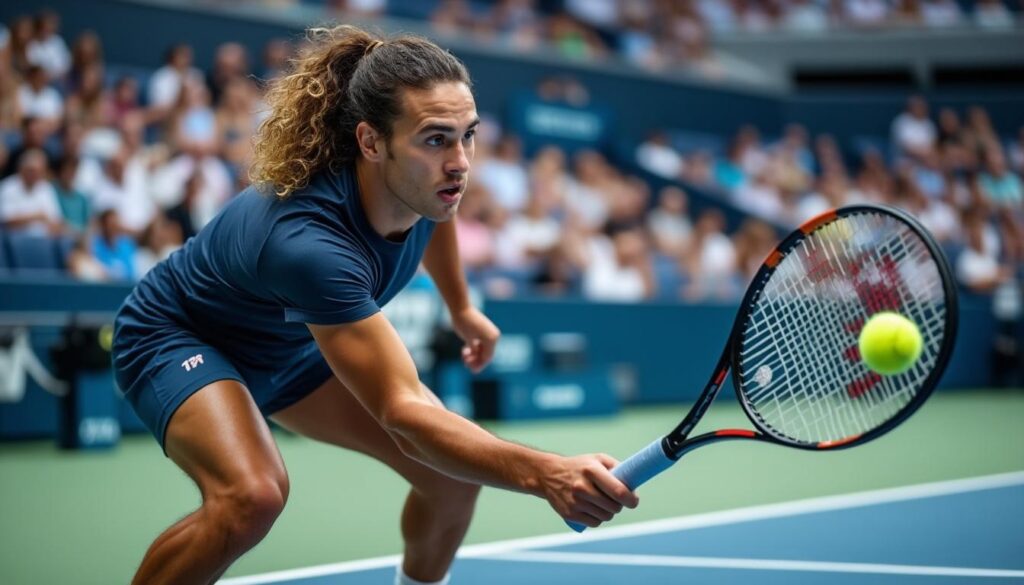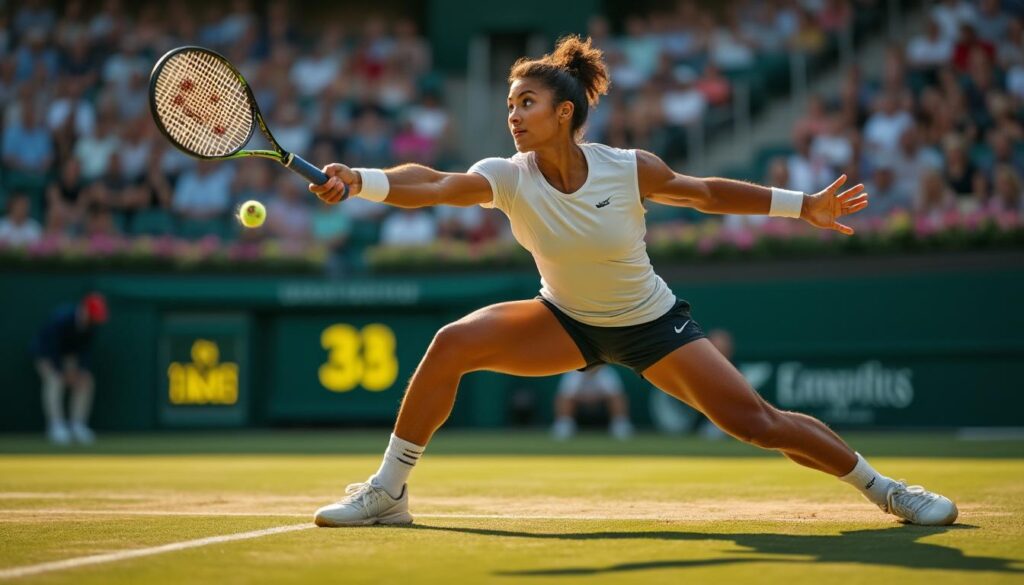
As the calendar flips towards December 22, 2025, the tennis world enters a critical juncture where the flames of last season’s battles are cooling but the fires of preparation for the new season are just beginning to blaze. For top players, the off season is far from a leisurely break; it’s a finely tuned period of recovery, conditioning, and strategic training. Understanding the intensity and discipline behind their off season fitness focus reveals why champions emerge stronger year after year. This stage is where physical resilience is rebuilt, mental fortitude is sharpened, and the foundation for on-court dominance is laid. From tailored recovery protocols to innovative training regimens and nutrition plans, the off season reveals itself as a high-stakes laboratory for excellence.
Immediate benefits of a smart off season training routine stretch well beyond just physical conditioning. Top-tier tennis athletes masterfully blend rest and active recovery with targeted strength and mobility workouts that enhance explosiveness and endurance. They integrate psychological drills and mindfulness techniques to realign their competitive mindset and prevent burnout. Each element fuels comprehensive preparation, illustrating that what happens away from the spotlight often dictates who will hold center court when the season restarts. This article dives deep into the off season fitness strategies elite players use to prepare for the new season, delivering insights that every tennis enthusiast—from the weekend warrior to the devoted fan—can appreciate.
Key takeaways:
- The off season is a strategic window to rebuild physical strength and mental focus.
- Recovery protocols and injury prevention are prioritized by top athletes.
- Training regimens combine conditioning, mobility work, and sport-specific drills.
- Consistency and accountability drive sustained fitness gains during downtime.
- Nutrition, mindset coaching, and equipment choices play pivotal roles in preparation.
- Adopting a balanced approach during the off season sets the stage for peak performance.
Mastering the Off Season Mindset: Discipline Meets Balance
When the courts clear and the roar dims, the real battle begins in gyms, recovery centers, and mental training rooms. Top players understand that the off season isn’t merely an extended break—it’s the crucible where champions are forged. The key is maintaining a laser-like focus while balancing rest to recharge the body and prevent burnout.
Giancarlo Marquez, a standout at San Jose State, nails this equilibrium perfectly: “The biggest thing to focus on is mindset and training balance… having a good balance of having fun in your time off but continuing to train is vital.” This philosophy is echoed broadly within tennis’s highest ranks, where mental preparedness is as crucial as physical readiness.
Visualizing match scenarios, journaling progress, and resetting goals become cornerstones during these months. Such mental exercises build resilience that carries players through grueling rallies and emotionally charged moments on court. The off season is an ideal period to refine this psychological edge without the stress of competition hanging overhead.
Top players also incorporate mindfulness and relaxation techniques to reduce stress and boost concentration. The off season’s unstructured time is an opportunity to forge mental toughness. Without these elements, physical fitness loses its efficacy when matched against the relentless psychological demands of professional tennis.
Ultimately, the off season mindset is a cocktail of responsibility and self-care. Athletes who master this balance return stronger, both physically and mentally, ready to dominate a new slate of opponents. This approach pairs perfectly with expert advice on sustaining peak conditioning and recovery, as detailed in strategic offseason conditioning programs.
Strategic Conditioning: Forging Physical Excellence for the New Season
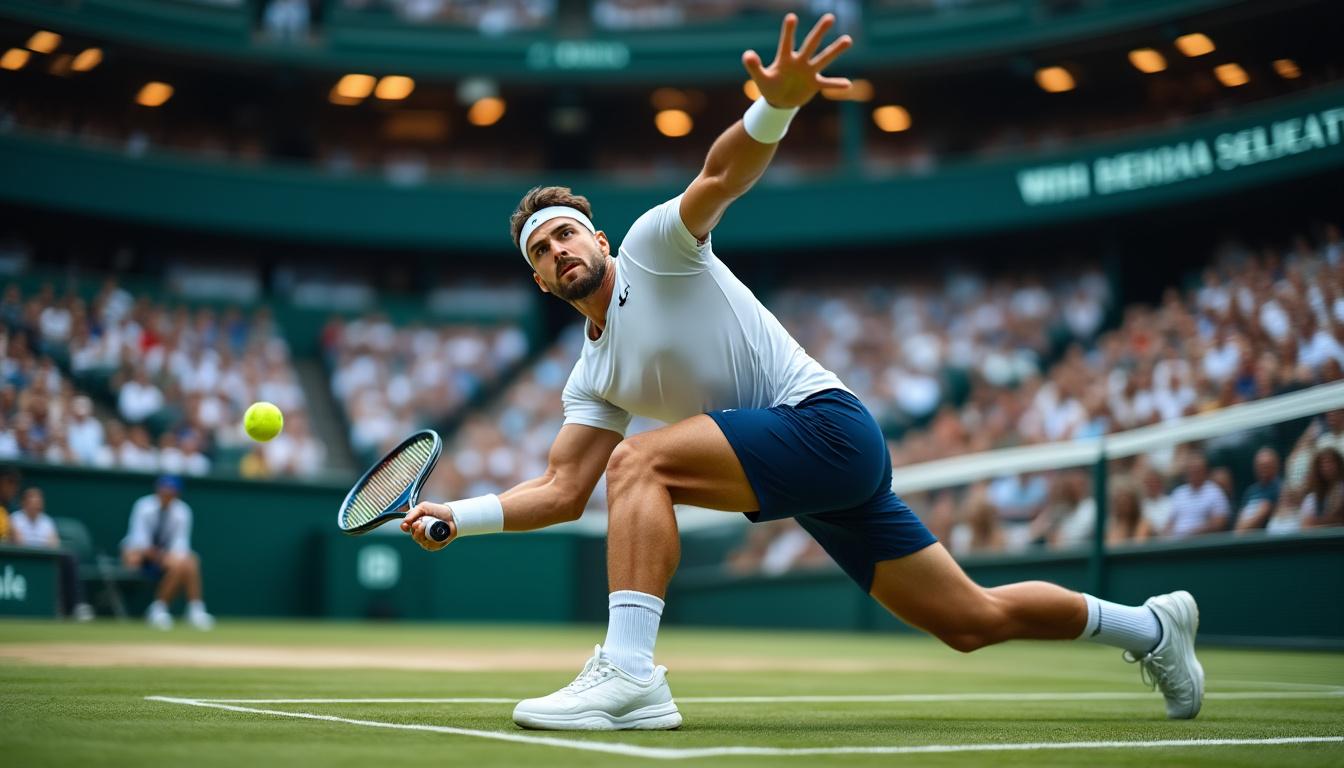
Conditioning during the off season moves beyond running laps or basic gym workouts. The top players adopt multifaceted training regimens designed to rebuild robust strength, speed, agility, and endurance while guarding against injury. This is especially important given tennis’s explosive and dynamic nature, where quick direction changes and repetitive strokes place immense strain on the body.
One of the pillars of off season physical preparation is a smart blend of strength training and cardiovascular conditioning. Elite trainers craft individualized programs centered around compound movements that target key muscle groups used in strokes, lateral movements, and powerful serves. Maintaining shoulder stability and core strength often involves specialized equipment like heavyweight training tools and resistance bands, which supplement gym sessions by focusing on movement patterns critical to tennis.
Endurance capacity isn’t overlooked either. High-intensity interval training (HIIT), combined with steady-state aerobic exercises, ensures top players can sustain energy levels throughout marathon matches. Conditioning also includes functional mobility work, such as dynamic stretching, yoga flows, and foam rolling, crucial for injury prevention and flexibility enhancement.
Paloma Szivos, Ex-Pro Hungary and Los Angeles Athletic Club member, highlights the importance of these recovery and conditioning cycles: “Off-season and breaks are really important and necessary for longevity… focus on recovery and a mental reset early on, while maintaining strength.” The off season, therefore, serves as a recovery-regeneration window wrapped in maintained fitness routines, ensuring players avoid the pitfalls of setbacks or sluggishness on the return.
Off season conditioning essentials for peak readiness:
- Strength training focusing on tennis-specific muscle groups.
- Cardiovascular conditioning blends HIIT and steady cardio.
- Mobility and flexibility to prevent injury and boost court agility.
- Recovery sessions including massage, stretching, and hydrotherapy.
- Utilization of sport-specific gear to replicate game conditions.
These practices form the backbone of the off season fitness focus that top players swear by to dominate new season challenges, with detailed regimens analyzed in depth at tennis offseason strength training techniques.
Recovery and Injury Prevention: The Invisible Game Changer
In the grind of professional tennis, the line between peak fitness and injury often blurs. This is where recovery becomes the silent warrior of the off season fitness focus. Recovery isn’t just about resting—it’s an active, scientifically driven process that accelerates healing and prepares the body for future exertion.
Leading players use a combination of methods, from cold-water immersion and compression therapy to advanced massage and cryotherapy. These techniques combat inflammation and muscle fatigue, allowing for deeper regeneration. Anna Pearson from UCLA articulates this beautifully: “The off-season and holiday breaks are such an important time. Recovery is key – giving your body a chance to rest, recharge, and heal. But it’s also important to stay in shape and maintain fitness so you don’t lose your foundation.”
Mental recovery is just as vital. Periods away from the spotlight help athletes reset psychologically, reducing burnout risk and rebuilding hunger for competition. Tools such as guided meditation and goal visualization keep players mentally aligned with their ambitions.
Recovery modalities prominently included in off season routines:
| Recovery Technique | Purpose | Benefits |
|---|---|---|
| Cold-water immersion | Reduce inflammation | Speeds muscle recovery, reduces soreness |
| Compression therapy | Enhance circulation | Minimizes muscular stiffness and swelling |
| Cryotherapy | Accelerate healing | Boosts immune response, reduces pain |
| Massage therapy | Relax muscle tension | Increases flexibility and mobility |
| Guided meditation | Promote mental rest | Improves focus and stress management |
In essence, the off season is a dance of controlled effort and intelligent rest, allowing athletes to return to the court battle-ready. For a comprehensive look at recovery essentials intertwined with fitness training, consult resources like Davis Cup 2025 recovery strategies.
Accountability and Consistency: The Unseen Victories in Off Season Prep
No off season plan can sustain itself without unwavering commitment. Consistency paired with accountability is the secret weapon top players use to keep their off season fitness focus on track. Whether training alone or with a partner, the reliability of showing up day after day cements the competitive foundation.
Emma Linebeck, a prominent figure at UCLA and Team USA, underscores this idea: “It is always helpful to have a training buddy to keep yourself motivated in the off-season!” The principle is powerful—whether pushing through a grueling conditioning circuit or maintaining a light recovery swim, having a partner or coach invigorates dedication.
Modern off season training programs leverage technology with online coaching and structured workout plans tailored to individual needs. Platforms like Aqua Strength Performance provide daily water polo-specific routines that sport cross-training enthusiasts can adapt effectively. Such digital accountability tools reinforce discipline where physical supervision may be limited.
Key accountability strategies:
- Training with a committed partner to maintain motivation.
- Using technology platforms for structured workout guidance.
- Scheduling sessions and setting measurable goals.
- Maintaining a training journal or digital log.
- Regularly revisiting and adjusting plans based on progress.
Building this framework of consistency ensures the off season transcends an arbitrary pause and becomes an unstoppable launchpad. Tennis aficionados can deepen their off season discipline by exploring expert guidance at match-ready fitness training and offseason baseline drills.
Nutrition, Gear, and Innovation: Supporting the Athlete Preparation Process
Athlete preparation in the off season isn’t limited to physical exercises and mental toughness. Behind the scenes, nutrition and equipment innovation play critical roles in maximizing output and safeguarding health. Progressive players adopt scientifically grounded nutrition plans tailored to their off season goals—be it muscle growth, fat loss, or sustained energy.
Meal prepping with balanced macronutrients, hydration strategies, and timing nutrients around workouts help optimize recovery and performance. As Maile Turner from UCLA points out: “Establish routines and systems that work for you… meal prep, vitamin rotations, stretching routines, etc. The off-season is the best time to see what does and doesn’t work for you.”
On the gear front, advancements have never been more accessible. Innovative training aids such as Delfina Heavyweight Training Balls and StretchCordz are staples for maintaining strength and shoulder stability even outside of traditional courts or pools. Properly tailored attire and footwear also enhance training efficiency while reducing injury risk.
Staying abreast of the latest trends can offer a competitive edge. For players and coaches eager to deepen their knowledge about conditioning, power development, and equipment, conditioning trends among top players provides insightful direction. Meanwhile, the holiday season sees a spike in access to gear at attractive prices, making it an ideal time to invest in items that support year-round training, as suggested by essential gear updates from November 2025.
Nutrition and equipment checklist for off season success:
- Balanced, nutrient-rich meal plans tailored by experts.
- Strategic vitamin and supplement rotations.
- Hydration protocols synced with training demand.
- Use of sport-specific training aids for strength and mobility.
- Regular gear upgrades in tune with technological advances.
The symphony of conditioning, recovery, accountability, mindset, and support systems collectively orchestrates the triumph of preparation. This holistic approach ensures that when the new season’s first serve flies, top players stand ready, tuned, and unstoppable.
Why is the off season so crucial for tennis players?
The off season is vital for rebuilding physical strength, mental resilience, and recovering from the intense demands of the season. It sets the foundation for improved performance and injury prevention in the new season.
How do top players balance rest and training during the off season?
Elite players prioritize a balance by incorporating intentional rest periods alongside active recovery and conditioning workouts, ensuring longevity without losing fitness momentum.
What types of conditioning are commonly used in tennis off season training?
Training typically involves strength exercises targeting tennis-specific muscles, high-intensity interval training for endurance, and flexibility work such as yoga or dynamic stretching to reduce injury risks.
How important is mental preparation in the off season?
Mental training techniques like visualization, goal setting, and mindfulness practice are critical in maintaining focus and reducing burnout, ensuring players stay sharp and motivated ahead of the season.
What role does nutrition play in off season athlete preparation?
Nutrition supports recovery, sustains energy, and assists muscle building. Tailored meal plans and hydration strategies help players maximize training benefits and maintain optimal health.